EV Registrations Plunge 41% in January as Market Post-Tax Credit Correction Continues
New EV registrations fell 41 percent year-over-year in January 2026, continuing the post-tax-credit-correction trend from late 2025, with legacy automakers bearing the brunt of the decline.
New battery-electric vehicle registrations in the United States fell 41 percent year-over-year in January 2026, according to data from S&P Global Mobility released January 16, as the market continued to adjust to the expiration of the federal EV tax credit and a fundamental reappraisal of EV affordability among mainstream buyers.
The data confirms what analysts had been expecting: the EV market’s dramatic decline in the final months of 2025 was not a temporary anomaly but the beginning of a prolonged correction driven by policy changes, interest rate pressure, and the absence of genuinely affordable EV options for mainstream buyers.
January Registration Data
Total new BEV registrations for January 2026 came to approximately 63,000 units, down from 107,000 in January 2025. The decline was broadly based — every major brand except Tesla (which fell a more modest 12 percent) posted steep declines.
Legacy brands bore the brunt of the correction:
- Ford: -67 percent (F-150 Lightning nearly eliminated from the mix)
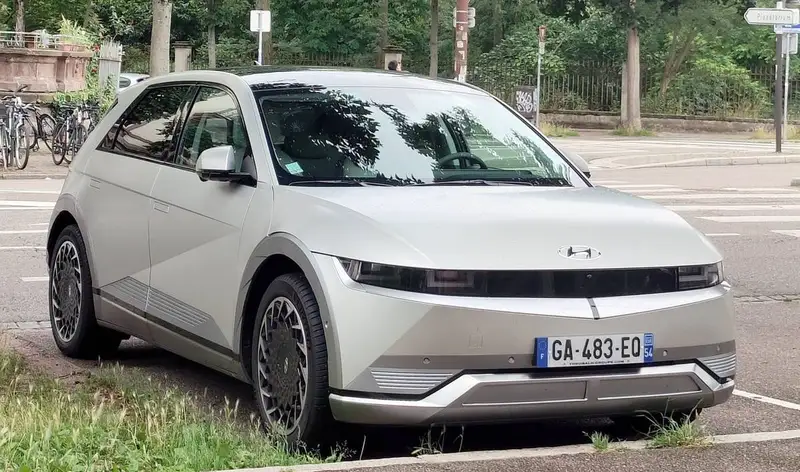
- Hyundai/Kia: -58 percent
- Volkswagen: -52 percent
- GM (Chevrolet + Cadillac): -44 percent
Tesla’s relatively resilient performance — despite the brand reputation headwinds from Elon Musk’s political profile — was driven by aggressive price cuts and the continued strength of the Model Y, which remains the best-selling EV in the U.S. by a wide margin.
Why the Decline Is Different This Time
The post-credit decline is proving more durable than most analysts expected at the start of 2026. Several factors explain why:
No replacement policy: Unlike previous federal incentive programs, there is no clear successor to the IRA EV credits. State-level programs in California, New York, and Colorado help but serve a much smaller market.
Affordability is structural: The average new EV transaction price remains above $50,000 — roughly $8,000 higher than the average gas-powered vehicle. Without the $7,500 credit bridging that gap, EVs are a premium purchase for most buyers.
Interest rates: Although the Federal Reserve has begun cutting rates, auto loan rates remain elevated, making the monthly payment difference between an EV and a comparable gas vehicle even more pronounced.
No compelling affordable EV: The vehicles that have been most severely affected are the ones that depended most on the credit — mid-market EVs from legacy brands. The next affordable entry, the Chevrolet Bolt EV, is not expected to arrive in volume until Q2-Q3 2026.
The Bright Spots
Not all EV news is bleak. Plug-in hybrid registrations rose 18 percent in January, as buyers who wanted EV-like efficiency without range anxiety opted for PHEVs. Toyota’s hybrid lineup continues to set records, with the Prius and RAV4 Hybrid dominating their respective segments.
EV market share in January 2026 settled at approximately 7.2 percent — down from 10.1 percent in January 2025, but still meaningfully above the 5-6 percent share that characterized the market in 2020-2021.
Motorlinks tracks EV market data monthly. For broader EV market analysis, see our EV winter industry feature.