CES 2026 Opens with a Quiet Revolution: AI Takes the Wheel, EVs Take a Back Seat
The year's biggest tech show signaled a major shift as automakers pivoted from headline-grabbing EV debuts to AI-powered driving assistants, autonomous shuttles, and software-defined vehicles.
CES has always been where the auto industry goes to dream out loud. But this year, the dreams had a different flavor.
CES 2026, which ran January 6–9 in Las Vegas, made something unmistakably clear: the era of the EV as the sole symbol of automotive future is over. The buzzwords on the show floor were artificial intelligence, software-defined vehicles, and autonomous mobility — not battery ranges or charging speeds.
Afeela Steps Into the Spotlight
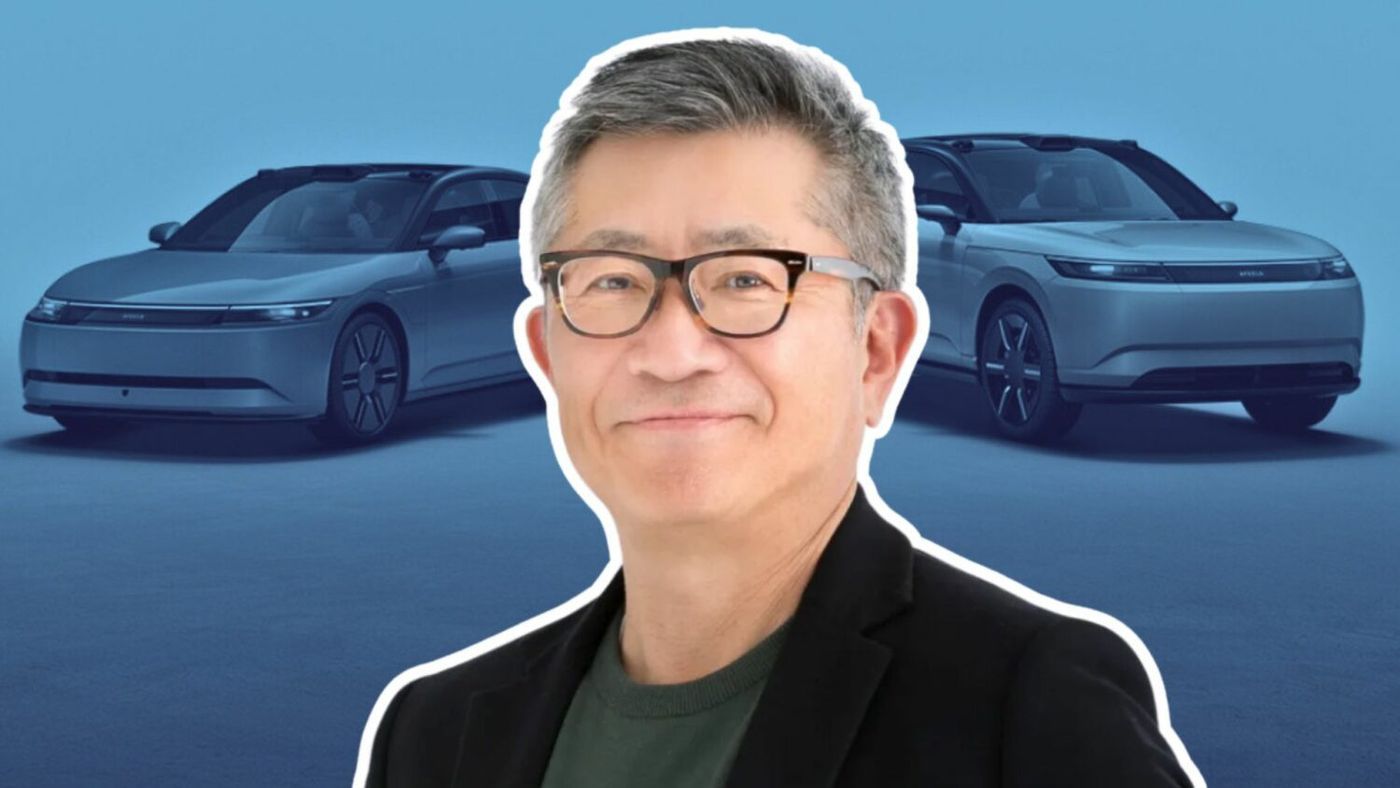
The Sony Honda Mobility joint venture returned with its Afeela brand, debuting an SUV prototype alongside updates on the Afeela 1 sedan, which the company targets for initial California deliveries later in 2026. The SUV — a clean, aerodynamic shape with a horizontal light bar spanning the full width — represents the second model in what SHM insists is a long-term lineup plan, despite skepticism from some Honda dealers who have called the partnership an “albatross.”
The tech story at SHM’s booth wasn’t the hardware, though. It was the software stack. Afeela is positioning its vehicles as software-defined platforms from the ground up, with AI inference hardware baked into the vehicle architecture. The company showed how its sensor suite — cameras, radar, LiDAR — feeds into an AI system that handles everything from highway pilot to parking assist.
The Autonomous Shuttle Rollout
Perhaps the most tangible CES 2026 automotive preview wasn’t a consumer car at all. Nuro, the robotics company focused on last-mile delivery, announced it would deploy a fleet of modified Lucid Gravity EVs equipped with its autonomous driving technology through the Uber platform. The initial rollout is targeted for select U.S. cities, pending regulatory approval.
That’s a significant signal. Autonomous ride-hail has been “two years away” for most of the past decade. Seeing it move toward commercial deployment — even in a limited pilot — is a step past the usual CES vaporware.
AI Dominates the Floor
If there was a single theme that unified the automotive-adjacent tech at CES 2026, it was agentic AI — systems that don’t just assist drivers but actively make decisions on their behalf. Microsoft’s automotive blog laid out the vision clearly: the connected car as a payment device, a productivity platform, and an intelligent co-pilot all at once.
TomTom and several autonomous driving startups showed mapping and sensor-fusion tech that uses on-device AI to make real-time path-planning decisions without the latency of cloud round-trips. For EVs specifically, this matters because AI-driven energy management — pre-conditioning batteries, optimizing regenerative braking maps, routing based on charging infrastructure — can meaningfully improve real-world range.
What Wasn’t There
Notably absent from the main automotive halls: major EV unveilings. Toyota, Hyundai, and BMW kept their biggest battery-electric reveals for their own events. Ford and GM showed up with software and commercial fleet announcements rather than new passenger EVs. The message from the industry was less “look at what we’re building” and more “look at what our computers can do.”
That’s either a maturing of the EV conversation — they’re now assumed, not celebrated — or a retreat from the heady optimism of 2021–2023, depending on your reading.
The EV Infrastructure Subplot
While AI stole the headlines, the charging infrastructure story at CES was quietly significant. Several companies demonstrated next-generation DC fast chargers capable of 800V charging at rates exceeding 350 kW, with smarter load-balancing systems designed to reduce strain on local grids during peak hours. The energy management angle — using EVs as grid assets through bidirectional charging — was a recurring theme in both the automotive and energy booths.
CES 2026 may not be remembered for any single vehicle. But if the industry’s direction of travel holds, it will be remembered as the moment the story shifted from what powers your car to what your car can do for you.