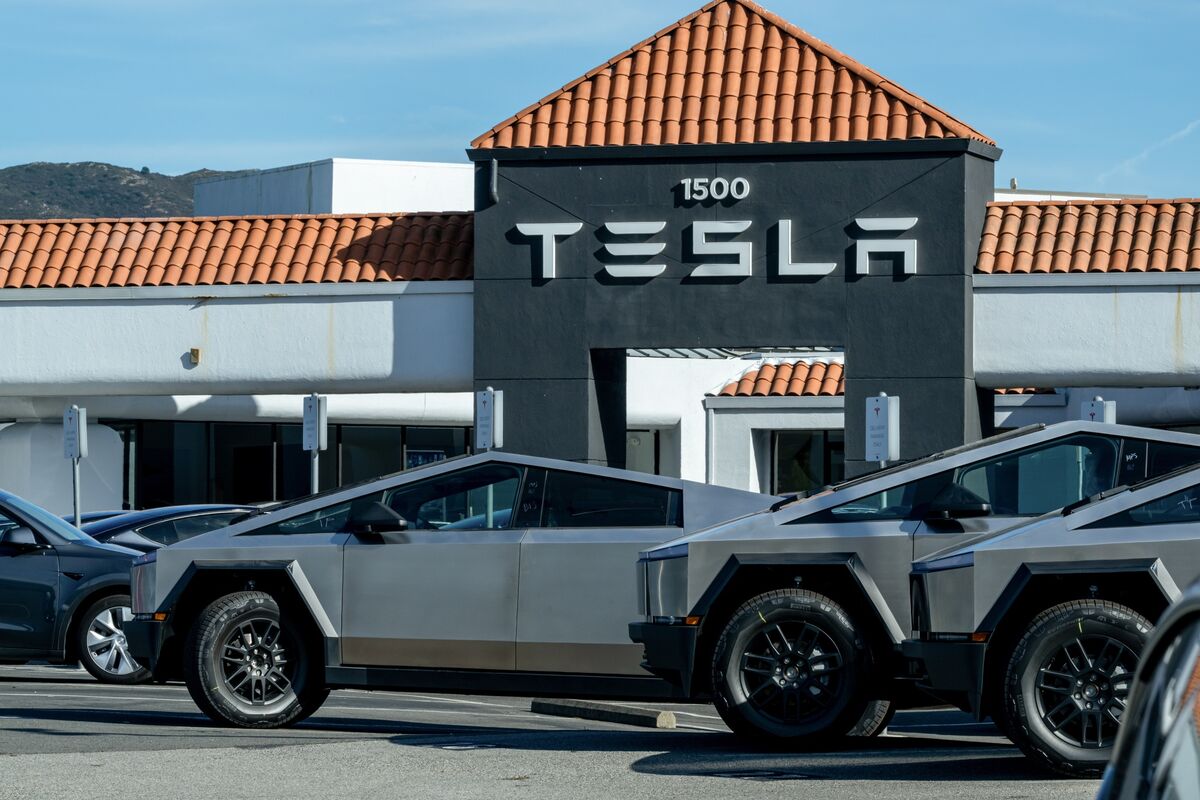
Tesla Published Analyst Estimates — And the Numbers Aren't Pretty
In an unusual year-end move, Tesla publicly released consensus analyst estimates showing the company is on track to post its second consecutive annual sales decline, with Q4 2025 deliveries expected to drop roughly 15% year over year.
December 30, 2025 brought an unusual public move from Tesla: the company published analyst consensus estimates showing it was on track to deliver approximately 422,850 vehicles in Q4 — down roughly 15% from the same period in 2024. For the full year, the estimates pointed to around 1.64 million deliveries, down from 1.79 million in 2024.
That would mark Tesla’s second consecutive annual decline in deliveries, something the company has rarely if ever publicly acknowledged in advance.
Why Tesla Made This Unusual Disclosure
Publicly releasing consensus estimates is not standard practice in the auto industry. Automakers typically report actual delivery numbers after the fact, not pre-announce what analysts expect. Tesla’s decision to publish the analyst compiled estimates — via a filing on December 30 — appeared designed to frame the expected decline proactively, rather than let the numbers land cold in January.
Whether this was investor relations strategy or genuine transparency, the message was consistent with CEO Elon Musk’s public statements throughout the second half of 2025: demand has softened, and 2025 was always going to be a difficult comp against the monster 2024.
What Analysts Are Saying
The analyst consensus from the December 30 filing showed:
- Q4 2025 estimated deliveries: ~422,850 (down ~15% year over year)
- Full-year 2025 estimated deliveries: ~1,640,752 (down ~8% from 2024)
- 2026 estimated deliveries: ~1,790,000 (recovery expected)
The 2026 estimate implied a rebound, assuming no major macro headwinds. But the street was clearly cautious — Tesla shares had fallen roughly 30% from their mid-year highs even as the broader market held steady.
Context: The Rest of the EV Market Wasn’t Standing Still
Tesla’s expected decline stands in sharp relief against a global EV market that continued growing in 2025, led by China and Europe. BYD’s full-year total crossed 4 million units. Xiaomi crossed 400,000. Meanwhile, the U.S. EV share held near 9-10% despite Tesla’s own domestic volumes shrinking.
That gap matters. Tesla has historically relied on its dominant position in the U.S. market to prop up global numbers. But as Ford, GM, and Toyota expanded their U.S. EV lineups in 2025, Tesla’s relative share naturally eroded.
Looking Ahead to 2026
The analyst consensus for 2026 was optimistic, projecting a rebound to roughly 1.79 million deliveries. Whether that materializes depends on several factors: whether Musk’s Department of Government Efficiency work stabilizes or destabilizes brand perception, whether new models (the rumored Model 2 / compact Tesla) actually arrive, and whether used EV prices continue their gradual decline.
For now, December 30, 2025 marks the day Tesla went on record with the bad news — an unusually candid note to end a challenging year.
Stay on top of Tesla’s delivery race and the broader EV market. Motorlinks tracks it all.
**