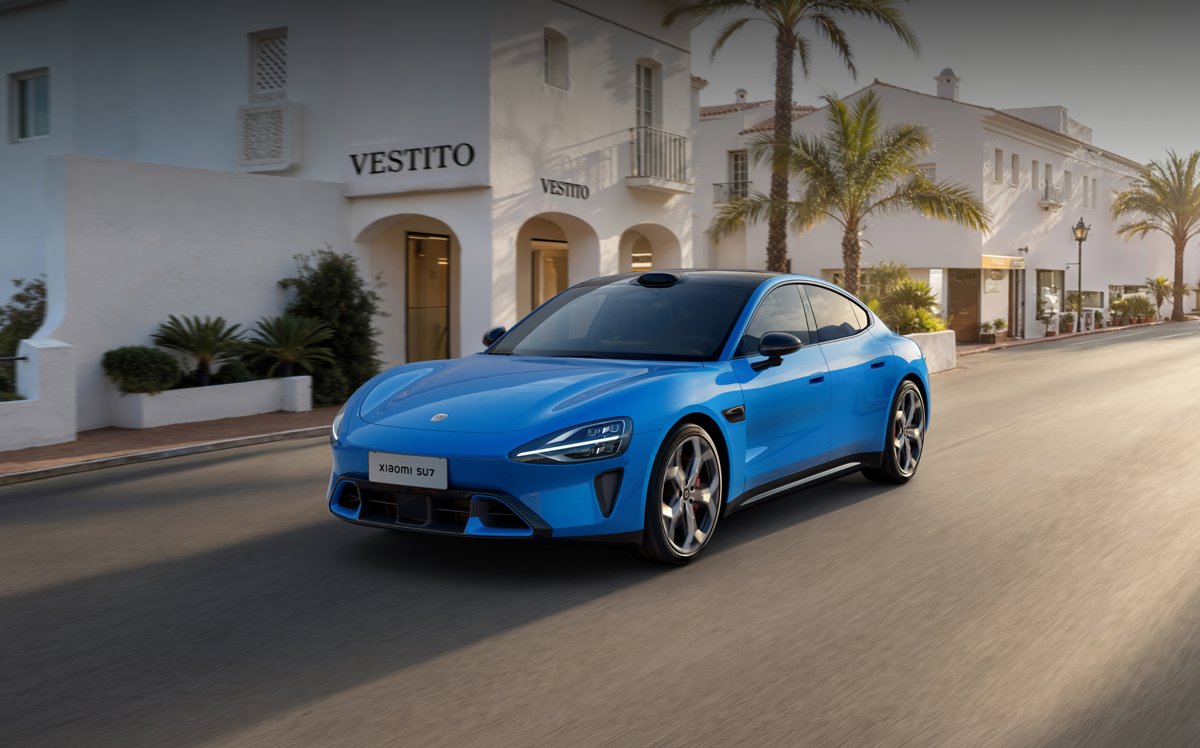
Xiaomi's SU7 Is Selling So Fast It Beat Its 2025 Target a Month Early
Xiaomi's electric vehicle division crossed 500,000 cumulative deliveries in early December 2025, smashing its full-year target with nearly a month to spare — one of the fastest growth arcs in modern automotive history.
Xiaomi’s electric vehicle ambition looked like a long shot when the company first announced plans to build cars. In December 2025, it became one of the most remarkable success stories in modern automotive history. The Chinese tech giant’s EV division crossed 500,000 cumulative deliveries — smashing its full-year sales target with nearly a month still left on the clock.
The milestone was confirmed in data from China EV DataTracker, which showed Xiaomi had delivered 361,625 units through November, then added more than 50,000 vehicles in December alone — a new monthly record for the brand. The December surge brought the 2025 total above 410,000 units, comfortably clearing the bar Xiaomi had set earlier in the year when it raised its target from 350,000 to 400,000.
How Xiaomi Pulled This Off
The SU7 sedan launched in early 2024 and immediately generated more buzz than almost any new EV in recent memory. Xiaomi leveraged its ecosystem advantage — deep integration with the company’s smartphone, smart home, and wearable products — to differentiate the SU7 from more conventional rivals. The car felt less like a traditional automaker’s product and more like a premium gadget that happened to have four wheels.
Pricing was aggressive from the start. The SU7 launched at a starting price well below comparable models from BYD and NIO in the Chinese market, undercutting the competition while offering competitive range and performance. That value equation resonated strongly with Chinese consumers, and waiting times at dealerships stretched into months.
The YU7 Adds a Second Act
If the SU7 sedan established Xiaomi as a serious EV player, the YU7 SUV broadened the appeal. The crossover variant, which began reaching customers in late 2025, targets the family market that sedans can’t fully capture in China. Sales data from December showed the YU7 quickly becoming a meaningful contributor to monthly totals, suggesting Xiaomi’s product portfolio is developing the depth needed for sustainable long-term growth.
For context on how unusual this trajectory is: Tesla took roughly five years to go from launch to 500,000 cumulative deliveries. Xiaomi did it in under two years from its first major deliveries.
What This Means for the Global EV Market
Xiaomi’s ascent is a problem for established players in China — BYD, SAIC-GM-Wuling, and NIO among them — and it signals that the country’s EV market is still producing disruptive new entrants at a remarkable pace. The company has already indicated it is targeting 550,000 deliveries in 2026, with export markets beginning to appear on the roadmap.
Whether Xiaomi can replicate its China success in other markets remains an open question. But as a domestic story, December 2025 marked the moment Xiaomi graduated from “intriguing newcomer” to “full-fledged automaker.”
Want to stay on top of EV delivery races and market shifts? Motorlinks tracks the data so you don’t have to.
Gear up for your EV with these essentials: