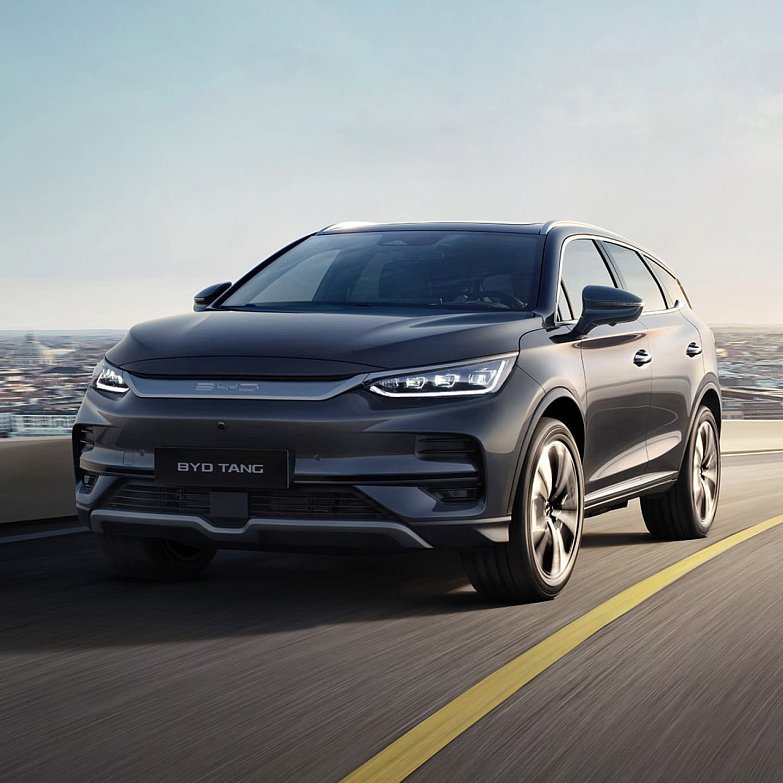
BYD Recalls Nearly 89,000 Plug-In Hybrids Over Battery Safety Risk
China's market regulator ordered BYD to recall 88,981 Seal and Song plug-in hybrid vehicles due to a potential battery-related safety hazard, the company's second major recall in 2025.
BYD, the world’s largest electric vehicle manufacturer by volume, has been ordered by China’s State Administration for Market Regulation to recall 88,981 plug-in hybrid vehicles due to a potential battery-related safety hazard, the regulator announced on November 28, 2025. The recall covers certain BYD Seal DM-i and Song Plus DM-i models produced during a specific production window.
What the Recall Covers
The affected vehicles include the BYD Seal — the company’s best-selling premium sedan in China — and the Song Plus DM-i, one of the highest-volume models in the Chinese plug-in hybrid market. The recall specifically targets vehicles equipped with a battery management system that, under certain conditions, may not adequately prevent thermal runaway events.
BYD’s response was immediate. The company said it would notify affected vehicle owners and deploy software updates to the battery management system free of charge. The recall is scheduled to begin December 15, 2025, with owner notifications to be mailed by January 15, 2026.
The recall is BYD’s second major action in 2025 related to battery safety. In October, the company recalled approximately 115,000 vehicles — primarily in China — for a separate battery-related issue involving certain blade battery cells that showed signs of contamination during manufacturing.
Context: BYD’s Rapid Growth and Quality Pressure
The recall arrives as BYD continues its remarkable global expansion. The company sold more than 1.1 million new energy vehicles in the third quarter of 2025 alone, making it the world’s largest EV manufacturer by a wide margin. BYD’s vertical integration strategy — manufacturing its own batteries, semiconductors, and motors — has been a competitive advantage, but it also means quality issues can scale quickly.
China’s recall culture has also matured. Regulatory enforcement has tightened significantly since 2022, with the SAMR (State Administration for Market Regulation) becoming more aggressive in ordering recalls when safety thresholds are met. BYD, as the market leader, is subject to more scrutiny than smaller competitors.
Impact Outside China
The recall as announced applies to vehicles sold in the Chinese domestic market. BYD’s export models — including the Seal and Dolphin that have begun entering European and Asian markets — are built on separate production lines and are subject to different regulatory regimes.
For U.S. consumers, the recall has no direct impact — BYD vehicles are not currently sold in the United States through official channels. However, the company’s planned entry into the U.S. market (through a partnership model, likely beginning with commercial vehicles) means that quality reputation matters for future market access.
BYD’s rapid international expansion has been accompanied by increased attention to product quality from regulators in Europe, Australia, and Southeast Asia. The European Union’s anti-subsidy investigation into Chinese EVs — including BYD — has put additional pressure on the company to demonstrate quality standards comparable to European and Korean competitors.
The Broader Recall Landscape
Battery-related recalls in the EV and plug-in hybrid segment have been a persistent theme in 2025. General Motors recalled the Chevrolet Blazer EV in early 2024 for battery system issues that took months to resolve. Hyundai and Kia have had multiple recalls for the IONIQ 5 and EV6 related to battery control systems. Even Tesla has not been immune — the company issued a software update covering more than 2 million vehicles in 2023 for Autopilot system issues.
The common thread: the high-voltage battery systems in modern EVs are complex, software-defined systems where bugs can have safety implications. The industry’s move toward over-the-air update capabilities has made many recalls faster and cheaper to resolve than in the ICE era — BYD’s software update approach is consistent with how most modern EV recalls are handled.
Motorlinks tracks EV recalls and safety developments monthly. For more on battery technology, see our CATL Freevoy battery explainer.