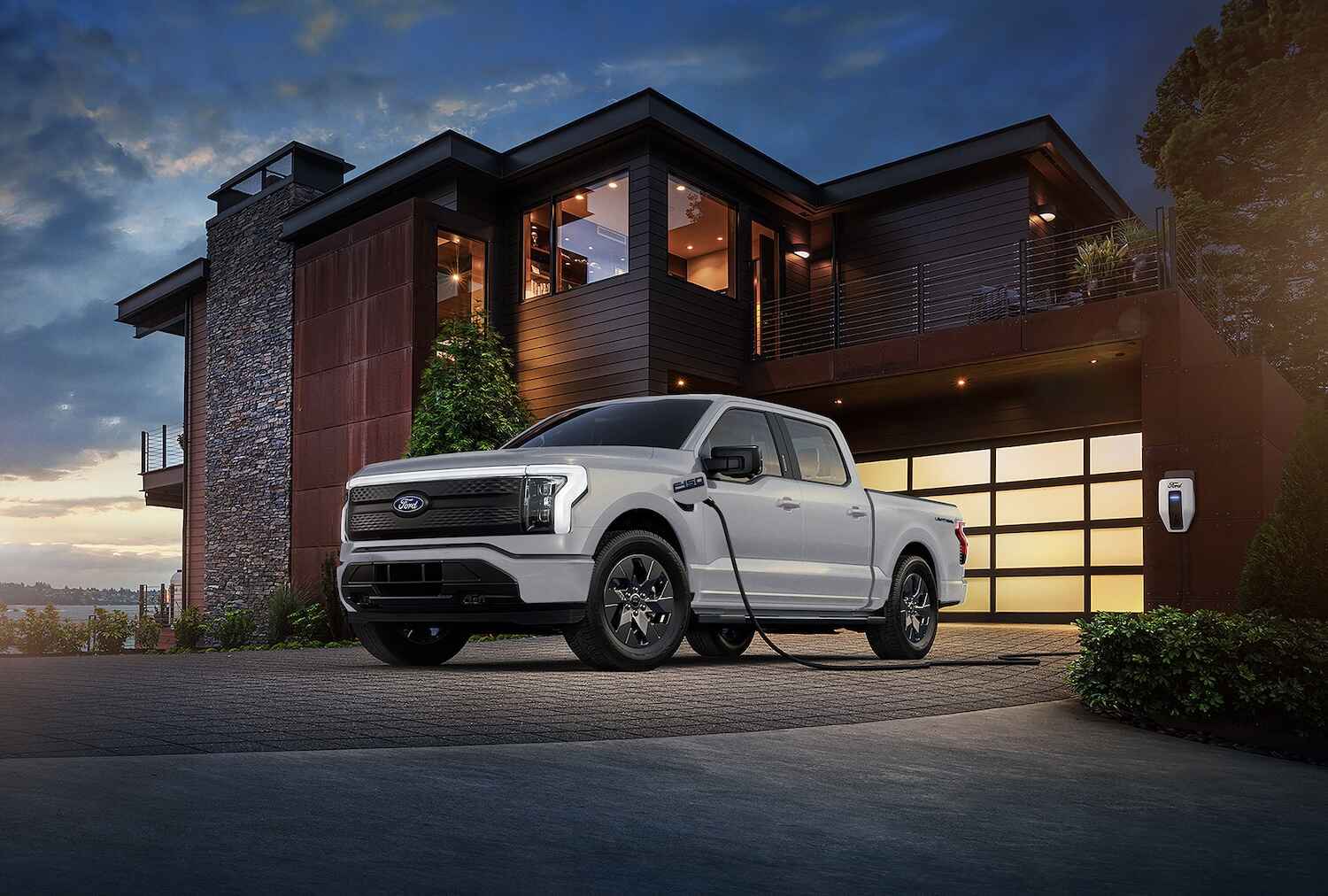
Ford's EV Transition: Slowing the Pace to Match Real Customer Demand
Ford makes two moves — slowing its EV timeline while locking in battery supply — as it navigates post-tax-credit market conditions with a more cautious electrification approach.
On October 20, 2025, Ford made two moves that underscored its pivot back toward a more cautious, customer-driven approach to electrification — while simultaneously locking in long-term battery supply commitments that couldn’t wait for market conditions to improve.
Chief Strategy Officer David Davies told analysts at a conference that Ford was letting buyer behavior, not regulatory targets, set the pace of its EV transition. “Our customers are telling us they want choices — full EVs, hybrids, and conventional powertrains — and we’re listening,” Davies said. The remarks came as Ford’s EV sales had already begun sliding following the September expiration of federal tax credits, with October data showing the Mustang Mach-E and F-150 Lightning both down significantly year-over-year.
Battery Joint Venture Finalized
Separately on October 20, Ford confirmed it had finalized its joint venture with SK On and a partner to build a dedicated U.S. EV battery plant in Tennessee, with two additional facilities planned in Kentucky. The venture — a three-way structure involving Ford, SK On, and a yet-to-be-named Asian partner — was designed to qualify for domestic battery production credits under the updated IRA rules.
The Tennessee plant, targeting production start in 2026, was originally announced in 2023 but had been delayed by permitting and sourcing discussions. Finalization of the joint venture structure removed the last major hurdle before construction could accelerate. Ford said the plants would supply cells for the next-generation F-Series electric trucks and the planned electric SUV range.
Ford also confirmed it was negotiating separate supply agreements for LFP (lithium iron phosphate) cells — a chemistry that doesn’t require nickel or cobalt and is significantly cheaper to manufacture domestically. LFP chemistry has become the standard in China for cost-sensitive EVs and is gaining traction in the U.S. as companies look to bring battery costs below $80/kWh.
The Pivot Gets Real
October 20 illustrated the contradiction at the heart of Ford’s EV strategy. On one hand, Ford was locking in multi-billion-dollar battery supply commitments that assumed a long-term, large-scale EV market in the U.S. On the other, it was publicly moderating expectations for how quickly that market would materialize.
The CSO’s comments were notable because Ford had spent the previous two years publishing aggressive EV sales targets and then walking them back. By October, the messaging had shifted entirely: the company would follow the customer, not drive the customer. Whether that represented wisdom or short-term defensiveness was still being debated on Wall Street.
What was clear: Ford needed battery supply that was viable at scale and at a competitive cost, regardless of how fast EV adoption ultimately progressed. The October 20 announcements addressed both imperatives in the same day.
Related articles:
- Ford Q3 2025 Earnings: $2.8B Net Income, EV Losses Deepen — Full earnings breakdown from October 24
- Ford $19.5B EV Write-Down: Blue Oval’s Electric Pivot Hits Headwinds — The financial consequence of Ford’s EV reset
Amazon picks for Ford EV owners: