Hyundai and Kia EV Sales Collapse 50%+ in October as Tax Credit Expires
Hyundai Ioniq 5, Kia EV6, and EV9 all posted steep sales declines in October 2025, with month-over-month drops exceeding 80% as the federal EV tax credit expiration reshaped buyer behavior.
When the $7,500 federal EV tax credit expired on September 30, 2025, automakers warned the hit would be ugly. The October sales numbers are in, and “ugly” might be underselling it — especially for Hyundai and Kia.
Hyundai and Kia reported October EV sales figures this week, and the declines are steep enough to raise serious questions about whether the U.S. EV market’s recent momentum was driven by genuine demand or a subsidy artificially pulling purchases forward.
The numbers
Hyundai Motor America reported total October sales of 70,118 units, down 2% compared to October 2024. But the EV story within that headline is far darker.
The Hyundai Ioniq 5 — one of the best-selling EVs in the U.S. before the credit expired — saw a dramatic pullback. Year-over-year comparisons are brutal: the Ioniq 5 moved from 2,116 units in September 2025 down to sharply lower volumes in October, with the month-over-month drop exceeding 80%. Total brand EV sales were down more than 50% compared to October 2024.
Kia fared no better. The Kia EV6 sold just 508 units in October, down from 2,116 in September 2025 and 1,732 in October 2024. That’s a 71% year-over-year decline. The larger Kia EV9 — a three-row electric SUV that launched to decent reviews — moved 666 units, down from nearly 1,700 the prior month.
Why it’s happening
The short answer: the tax credit. The federal EV tax credit of up to $7,500 for qualifying vehicles was a significant financial incentive, particularly for buyers in the $40,000-$60,000 price range where most Ioniq 5, EV6, and EV9 purchases land. When it expired on September 30, buyers who were on the fence simply… stopped buying.
The effect was compounded by buyers who had already pulled their purchases forward. Dealers reported a surge in EV sales in the final weeks of September as buyers rushed to lock in credits before the deadline. October became the hangover.
Hyundai and Kia were especially exposed because their EVs — built on the E-GMP platform — were among the qualifying models. Both brands had positioned themselves as the “affordable premium” EV alternative to Tesla, competing on technology (800V architecture, fast charging) without Tesla’s brand premium. The credit made those prices work; without it, the gap to comparable ICE or hybrid vehicles is harder to justify for cost-conscious buyers.
The hybrid bright spot
There’s a twist: while EV sales collapsed, both brands’ hybrid sales surged. Hyundai and Kia both reported significant gains in hybrid vehicle sales in October as buyers shifted toward electrified options that still offered meaningful fuel savings without the full EV price premium.
Toyota, which has been vocal about its multi-pathway strategy (hybrids, PHEVs, and EVs), reported its tenth consecutive month of sales growth in October, led by hybrid demand in the U.S. market. Toyota’s hybrids — particularly the Camry and RAV4 Hybrid — don’t qualify for the full EV tax credit but have proven remarkably resilient.
What comes next
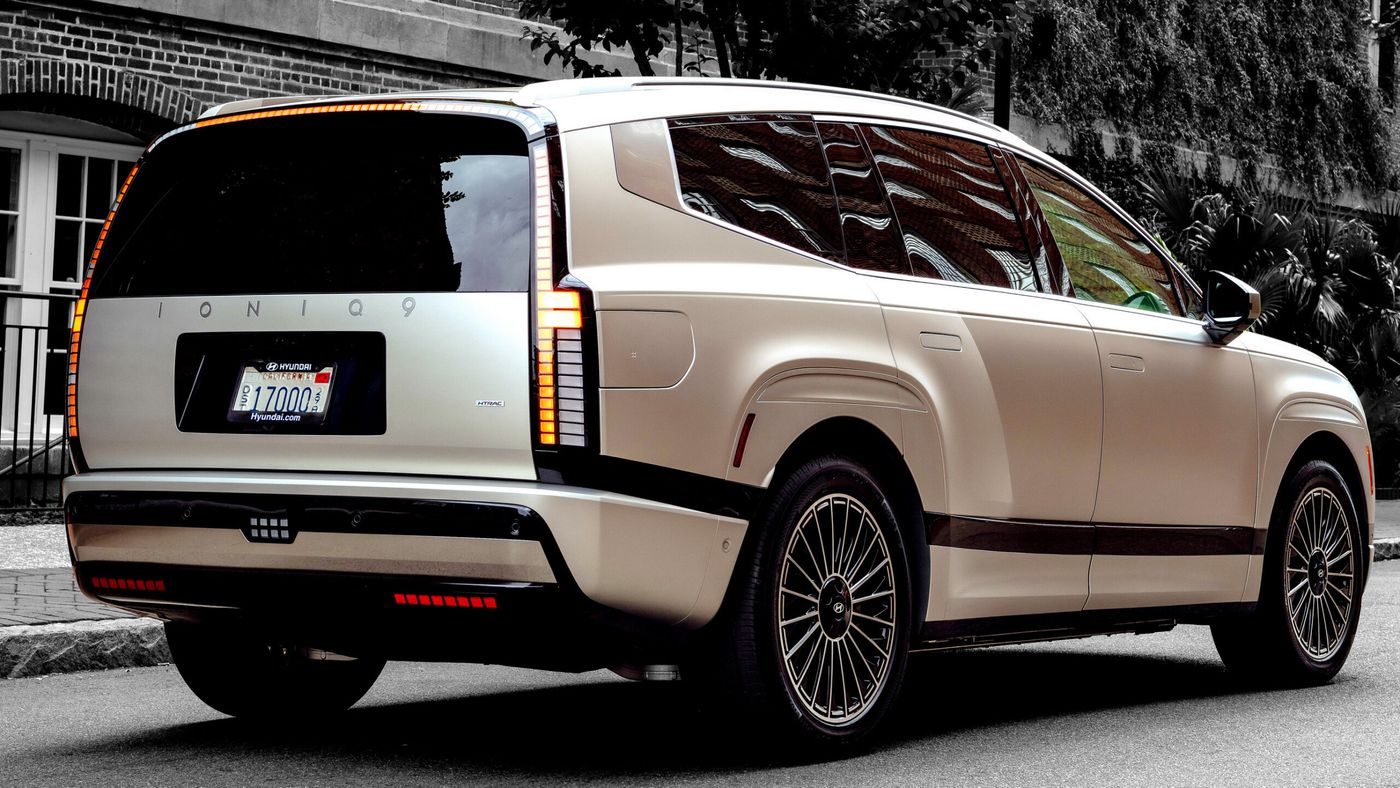
Hyundai has the Ioniq 9 (its three-row electric SUV) launching in the U.S., which could provide a lift heading into 2026. But with no federal incentive and rising inventories, pricing will be critical. Kia has also delayed the U.S. launch of its next-generation EVs amid the uncertainty.
The broader lesson from October: the U.S. EV market may have been more fragile than the record Q3 2025 numbers suggested. Whether hybrids and PHEVs can fill the gap — or whether buyers simply return to EVs once policy clarity emerges — is the defining question for the next 12 months.
Gear for Hyundai/Kia EV owners
Even with the current market turbulence, if you’re driving an Ioniq 5, EV6, or EV9, the right accessories make ownership better:
— Hyundai’s own OEM floor liners are designed specifically for the Ioniq 5’s cabin shape.