
2026 Toyota bZ vs 2027 Kia EV5 in Canada: Range or Lower Price?
The Toyota bZ XLE AWD offers more range and power, while the Kia EV5 Wind undercuts it on price. Here is which electric SUV fits which Canadian buyer.
The 2026 Toyota bZ and 2027 Kia EV5 are arriving at the same mainstream electric-SUV question from opposite directions.
Toyota has reworked its former bZ4X into a much stronger vehicle. The renamed bZ now offers up to 468 km of NRCan-rated range, 338 hp in all-wheel-drive form, a native NACS port and battery preconditioning. More importantly, it is already on sale across Canada with published charging specifications.
Kia counters with lower advertised prices, a boxier family-focused cabin and nine configurations. Its useful long-range Wind FWD starts at $47,495 MSRP and targets 460 km, while the Wind AWD begins below $50,000. The catch is that Kia describes those range figures as targets, and its least expensive Light FWD is not scheduled until the fourth quarter of 2026.
This is a specification and buying-context comparison, not a road test. Prices, ranges, equipment and availability reflect manufacturer information checked on August 12, 2026.
Quick Verdict
Choose the Toyota bZ XLE AWD if range certainty, power and a vehicle available now matter most. Its 468-km NRCan rating, 338-hp dual-motor drivetrain and published 150-kW charging specification make it the safer road-trip and winter recommendation. It costs more at $53,390 MSRP, but the extra money buys meaningful capability.
Choose the Kia EV5 Wind FWD if value and family packaging lead the list. Its $47,495 MSRP, 81.4-kWh battery, 460-km target and standard heat pump create the strongest price-to-range case. It also offers wireless Apple CarPlay and Android Auto in a more upright, conventional SUV cabin.
For AWD shoppers, the choice is sharper. The EV5 Wind AWD costs $3,395 less than the bZ XLE AWD, but Kia’s 415-km target trails Toyota’s rated figure by 53 km. Buy the Kia to protect the budget; buy the Toyota to protect the highway range buffer.
| Item | 2026 Toyota bZ | 2027 Kia EV5 |
|---|---|---|
| Lowest advertised trim | XLE FWD: $45,990 MSRP | Light FWD: $43,495 MSRP; scheduled for Q4 2026 |
| Best value long-range trim | XLE AWD: $53,390 MSRP | Wind FWD: $47,495 MSRP |
| Relevant AWD trim | XLE AWD: $53,390 MSRP | Wind AWD: $49,995 MSRP |
| Battery | 57.7 kWh FWD; 77 kWh AWD | 60.4 kWh Light FWD; 81.4 kWh Wind and higher |
| Range | 380 km XLE FWD; 468 km XLE AWD | 335 km target Light FWD; 460 km target Wind FWD; 415 km target Wind AWD |
| Output | 168 hp FWD; 338 hp AWD | Kia Canada does not publish comparable output figures on the pricing guide used here |
| DC charging | Native NACS; 150 kW maximum; about 30 min from 10–80% in ideal conditions | Native NACS; comparable Canadian peak rate and 10–80% time not published on the pages used here |
| Cold-weather hardware | Battery preconditioning and thermal management; AWD available | Heat pump on 81.4-kWh trims; AWD available |
| Best fit | Buyer prioritizing range, performance and on-sale certainty | Buyer prioritizing price, cabin familiarity and family packaging |
Toyota bZ and Kia EV5 comparison gallery
14

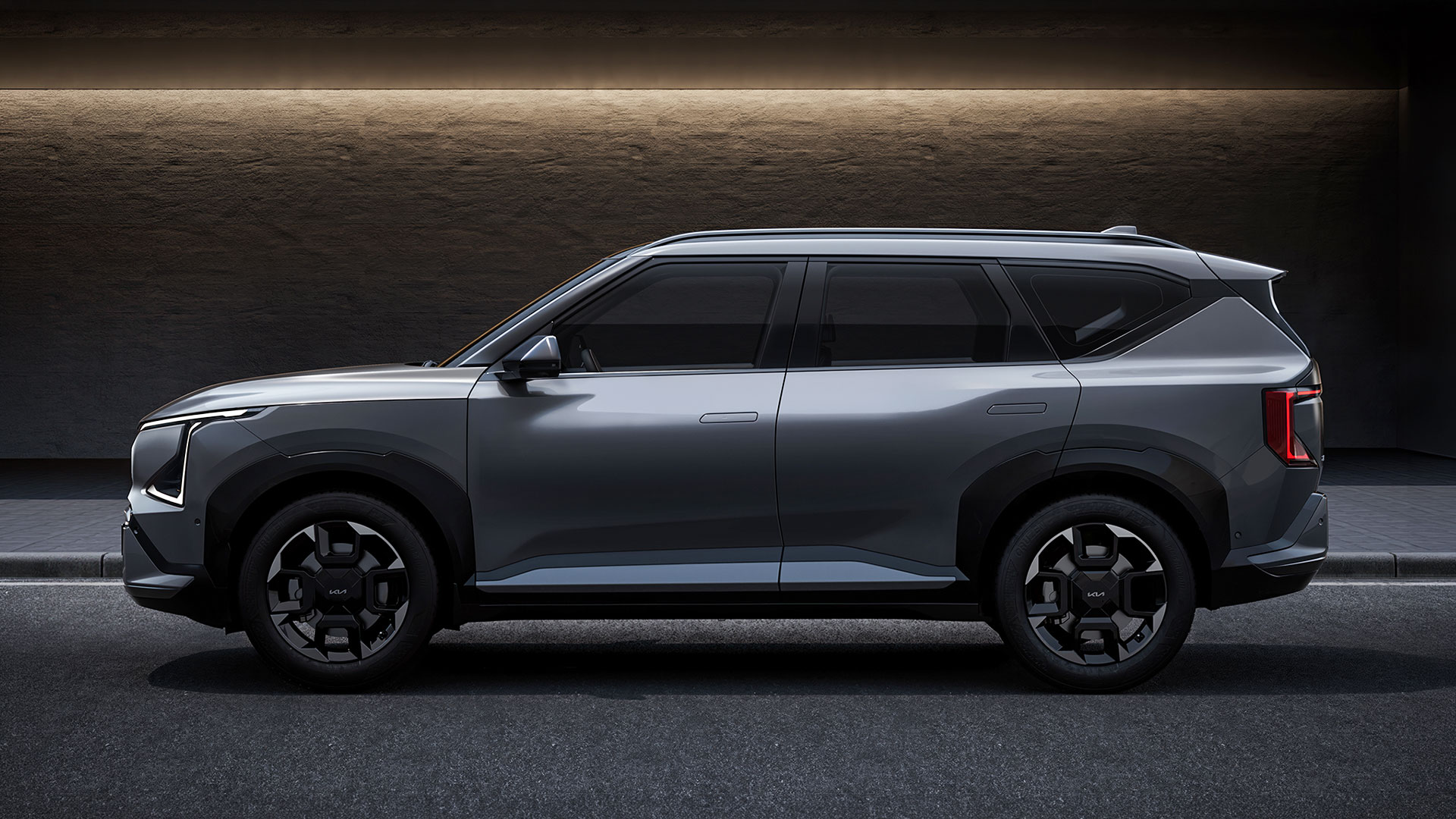

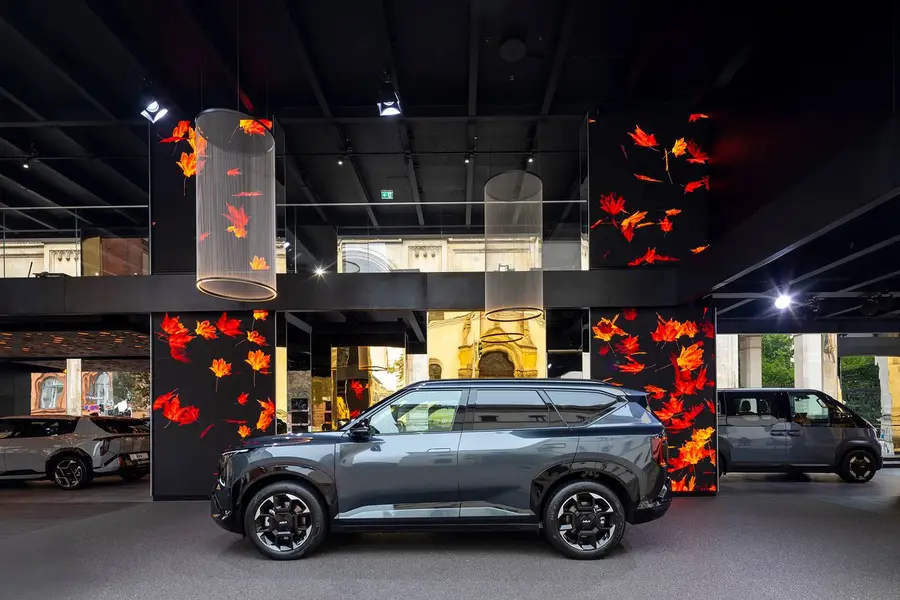
The bZ XLE AWD combines 468 km of rated range, 338 hp and standard all-wheel drive. Image: Toyota Canada.
The EV5 Wins the Advertised Price Fight
Kia has the stronger headline. The EV5 lineup begins at $43,495 MSRP, while the least expensive bZ starts at $45,990.
That is not the comparison most people can make today. Kia says the 60.4-kWh EV5 Light FWD will arrive in the fourth quarter of 2026. Its 335-km target also places it in a different use case from the long-range Toyota. A buyer shopping in August should not base a decision on a late-arriving configuration unless waiting is genuinely acceptable.
The more useful starting point is the EV5 Wind FWD. It brings the 81.4-kWh battery, 460-km target and a heat pump for $47,495 MSRP. The Toyota bZ XLE FWD costs $1,505 less, but its 57.7-kWh battery and 380-km rating give up 80 km on paper. The Toyota is the lower-priced vehicle; the Kia is the much stronger long-range value.
AWD keeps Kia’s price advantage intact. The EV5 Wind AWD begins at $49,995, versus $53,390 for the bZ XLE AWD. That $3,395 gap could pay for winter tires, part of a home Level 2 installation or a meaningful amount of insurance.
Advertised prices are not drive-away prices. Toyota publishes an estimated vehicle price of $57,048 for the XLE AWD after freight, PDI and specified maximum fees, before tax. Kia’s MSRP presentation is not directly equivalent. Buyers should compare complete written quotes with the same province, financing assumptions, colour and accessories.
Toyota Has the Stronger AWD Range Story
Front-wheel-drive buyers can reasonably call the long-range contest a tie. Kia targets 460 km for the EV5 Wind FWD, while Toyota’s most efficient bZ configuration is not the FWD version at all.
The bZ XLE AWD uses a larger 77-kWh battery and reaches 468 km. The eight-kilometre difference from the EV5 Wind FWD is too small to determine a purchase. Temperature, speed, tires, wind and cabin heating can erase it quickly.
The important split appears when both vehicles have AWD. Kia targets 415 km for the EV5 Wind AWD; Toyota lists 468 km for the bZ XLE AWD. A 53-km brochure advantage is useful on cold highway trips and routes with sparse fast charging.
Toyota also has the more mature number. Its figure is an NRCan estimate for a vehicle already on sale, while Kia calls the EV5 result a target. That does not mean the Kia will miss it, but shoppers should recognize the different status rather than presenting the figures as identical certifications.
The bZ pays for that advantage with price. Drivers whose longest regular trip fits comfortably inside 415 km before a realistic winter reduction may decide the Kia’s lower payment matters more than unused maximum range.
Charging: Toyota Publishes the Answer, Kia Still Owes One
Both vehicles have a native NACS DC fast-charge port. That makes compatible Tesla Supercharger use physically simpler than it is in an older CCS vehicle carrying an adapter.
Toyota provides the clearer charging specification. Every bZ supports up to 150 kW, and Toyota estimates roughly 30 minutes from 10 to 80 percent under ideal conditions. An 11-kW onboard AC charger, dual-voltage cable and battery preconditioning are standard across the lineup.
Kia says every EV5 receives NACS and identifies battery thermal management on the long-range versions, but its Canadian pricing and product material used for this comparison does not publish a directly comparable peak DC rate or 10-to-80-percent time. That absence is not evidence that the EV5 charges slowly. It simply prevents a responsible charging winner from being declared.
EV5 shoppers who road-trip should ask for three specific details before delivery: the peak rate, the expected 10-to-80-percent time and which Canadian NACS stations support the vehicle. A connector that fits does not guarantee identical voltage support, charging curves, route planning or payment integration.
MotorLinks’ NACS road-trip guide explains why the plug shape is only one part of the public-charging experience.
The Toyota Is Quicker; the Kia Looks More Like a Family SUV
Toyota gives the bZ XLE AWD 338 hp and estimates a 0-to-100-km/h time around 5.1 seconds. That is a large jump from the 168-hp XLE FWD and makes the middle trim feel like a powertrain upgrade rather than a cosmetic step.
Kia’s Canadian consumer guide does not provide comparable power and acceleration numbers for the EV5 configurations, so there is no honest acceleration table to build from the official material used here. The EV5’s stronger argument is visible before it moves.
Its roofline is tall, the hatch is square and the second row folds flat. Kia also highlights storage around the open centre console and a front trunk for charging gear. This is the packaging language of a conventional compact SUV, which may appeal to families moving from a Sportage, RAV4 or CR-V.
The bZ is sleeker and more car-like. Every trim has a 14-inch centre screen, dual wireless phone chargers, heated front seats and a power tailgate. The XLE AWD adds useful traction systems and keeps efficiency-friendly 18-inch wheels.
The EV5 counters with dual 12.3-inch displays plus a separate climate display, wireless Apple CarPlay and Android Auto, and a trim ladder that lets buyers add a panoramic roof, V2L power, ventilated seats, surround-view cameras and advanced parking systems. Toyota reserves some comparable premium features for the $61,690 Limited AWD.
The right cabin will be obvious in person. Bring the stroller, hockey bags, dog crate or child seats that the vehicle must carry. Published cargo volumes are less useful when manufacturers measure spaces differently.
Canadian Winter Makes the Drivetrain Decision Personal
The EV5 Wind FWD may be the value sweet spot, but AWD remains tempting in a Canadian showroom.
Kia charges $2,500 to move from Wind FWD to Wind AWD. The second driven axle costs 45 km of target range. Toyota’s unusual lineup works differently: the bZ XLE AWD has both more range and more power than the XLE FWD because it receives the larger battery.
AWD helps a vehicle pull away on snow and climb a slippery grade. It does not shorten braking distance on ice. Proper winter tires are essential on either model, and an FWD EV5 on good winter rubber can be a smarter setup than an AWD bZ on unsuitable all-seasons.
Range buffer may matter more than drivetrain on many routes. A 468-km rating gives the Toyota more room for cold battery temperatures, cabin heat, snow and highway speed than a 415-km target gives the AWD Kia. A city household with reliable overnight charging may never use that difference; a rural driver travelling between smaller communities might.
Choose AWD because the roads, driveway or destinations require it. Do not choose it as a substitute for tires and a realistic winter charging plan.
Incentives Could Reverse the Math
The bZ XLE FWD appears on Transport Canada’s current EVAP reference list, but eligibility depends on the exact transaction, buyer, lease term, delivery timing, dealer submission and available funding. The final transaction value must meet the program ceiling.
Kia’s EV5 Wind trims sit close enough to the affordability threshold that discounts, fees and options could become decisive. The late-arriving Light FWD has the easiest advertised-price story, but buyers should not assume future program funding or rules will remain unchanged by its delivery date.
Check MotorLinks’ Canadian EV incentive guide, then ask the retailer to show the qualifying transaction value and expected incentive on the written agreement. A website price or salesperson’s estimate is not program approval.
Which One Should Canadians Buy?
Choose the Toyota bZ XLE AWD if:
- 468 km of rated range creates useful winter or highway margin
- strong acceleration and AWD are priorities
- the vehicle needs to be available now
- published charging specifications matter more than waiting for Kia’s complete data
Choose the Kia EV5 Wind FWD if:
- the best price-to-range relationship matters most
- 460 km meets normal travel needs
- upright family-SUV packaging and familiar phone integration are priorities
- FWD with proper winter tires fits the household’s routes
Choose the Kia EV5 Wind AWD if:
- AWD is required but the Toyota’s higher price is difficult to justify
- a 415-km target leaves enough real-world buffer
- saving $3,395 at MSRP matters more than maximum range and acceleration data
Choose the Toyota bZ XLE FWD if:
- an eligible EVAP transaction produces the lowest complete quote
- 380 km is enough for the daily routine and winter reserve
- buying now matters more than waiting for the EV5 Light FWD
Bottom Line
The Kia EV5 Wind FWD is the value winner. It combines a 460-km target, long-range battery, heat pump and family-friendly cabin for $47,495 MSRP. For buyers with home charging and no recurring need for AWD, it makes a persuasive case.
The Toyota bZ XLE AWD is the stronger all-weather, road-trip answer. It costs more, but its 468-km rating, 338 hp, on-sale status and complete charging specification remove more uncertainty from the purchase.
AWD shoppers face the clearest trade: Kia saves money; Toyota saves range. Get complete quotes, map the chargers used on real trips and judge the cabins with the family’s actual gear before choosing by one headline figure.
FAQ
Should Canadians buy the Toyota bZ or Kia EV5?
Choose the Toyota bZ XLE AWD for rated range, power, immediate availability and published charging performance. Choose the Kia EV5 Wind FWD for lower price, strong target range and more conventional family-SUV packaging.
Which has more range?
The bZ XLE AWD has an NRCan-rated 468 km, eight kilometres more than Kia’s 460-km target for the EV5 Wind FWD. In AWD form, the Toyota leads the EV5 Wind AWD by 53 km on the published figures.
Which is cheaper in Canada?
The EV5 has the lower headline price. Wind FWD starts at $47,495 MSRP and Wind AWD at $49,995. The bZ XLE AWD starts at $53,390. Toyota’s XLE FWD costs $45,990, while Kia’s $43,495 Light FWD is scheduled for Q4 2026.
Do both vehicles use NACS?
Yes. Both have native NACS DC fast-charge ports. Toyota publishes a 150-kW maximum and roughly 30-minute 10-to-80-percent estimate; Kia has not published a directly comparable Canadian EV5 figure on the pages used here.
Sources
- Toyota Canada: 2026 bZ Canadian pricing and specifications
- Toyota Canada: 2026 bZ models and specifications
- Kia Canada: 2027 EV5 pricing and trim guide