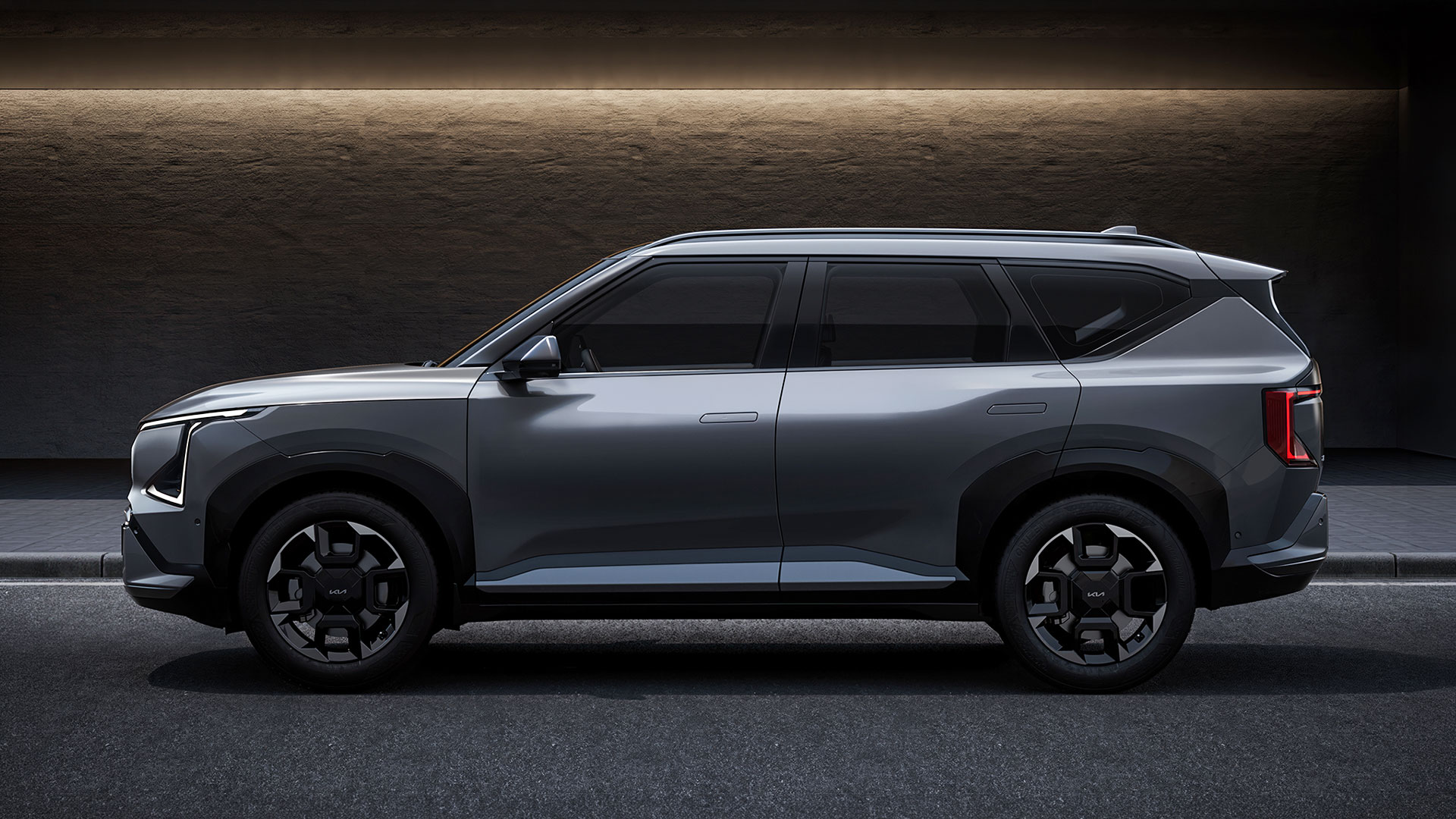
Kia EV5 vs Subaru Trailseeker in Canada: Value or Adventure?
The Kia EV5 undercuts the Subaru Trailseeker, but Subaru answers with standard AWD, more power, towing and ground clearance. Here is the Canadian buyer verdict.
The 2027 Kia EV5 and 2026 Subaru Trailseeker arrive at the electric family-SUV problem from opposite directions.
Kia starts with value. The EV5 is a five-seat, Canada-focused electric SUV with front- or all-wheel drive, two battery sizes, native NACS charging and a starting MSRP of $43,495. Its useful long-range Wind trims cost $47,495 in FWD form or $49,995 with AWD before freight and fees.
Subaru starts with capability. The Trailseeker has standard dual-motor all-wheel drive, 375 horsepower, 215 mm of ground clearance, a 1,587-kg towing rating and up to 444 km of NRCan range. It starts at $57,785 for the Touring trim with freight and fees included, before tax.
This is not a simple cheaper-car-versus-better-car contest. It is a question of whether a household needs the Trailseeker’s extra capability badly enough to pay for it.
Quick Verdict
Choose the Kia EV5 Wind FWD if price, range and everyday family use matter most. Its $47,495 MSRP, 81.4-kWh battery, heat pump and targeted 460-km range make it the strongest value play in this pairing.
Choose the Kia EV5 Wind AWD if winter traction matters but towing and rough-road hardware do not. It keeps the price below the Trailseeker, although its targeted range falls to 415 km.
Choose the Subaru Trailseeker Touring if the vehicle will regularly carry outdoor gear, pull a trailer, travel on rough cottage roads or replace an Outback-style adventure vehicle. Its 444-km range, 375 hp, standard AWD and 1,587-kg towing capacity justify the premium for the right buyer.
For most urban and suburban Canadian families, the EV5 is the smarter buy. For buyers who can point to a real capability requirement, not just an outdoorsy image, the Trailseeker earns its higher price.
| Category | 2027 Kia EV5 | 2026 Subaru Trailseeker |
|---|---|---|
| Useful starting point | Wind FWD: $47,495 MSRP; Wind AWD: $49,995 MSRP, both before freight and fees | Touring: $57,785 with freight and fees included |
| Battery | 81.4 kWh on Wind and higher trims | 74.7 kWh |
| Range | 460 km target, Wind FWD; 415 km target, Wind AWD | Up to 444 km NRCan |
| Charging | Native NACS; 150-kW DC; about 30 minutes from 10-80% in ideal conditions | Native NACS; 150-kW DC; about 30 minutes from 10-80% in ideal conditions |
| Drivetrain | Front- or all-wheel drive, depending on trim | Standard dual-motor Symmetrical AWD |
| Capability | Family-focused packaging; long-range FWD towing rated to 816 kg when properly equipped | 375 hp, 215 mm ground clearance and 1,587-kg towing capacity |
| Best fit | Value, commuting, family errands and paved-road travel | Towing, rough roads, outdoor gear and all-weather adventure use |
Kia EV5 and Subaru Trailseeker comparison gallery
13
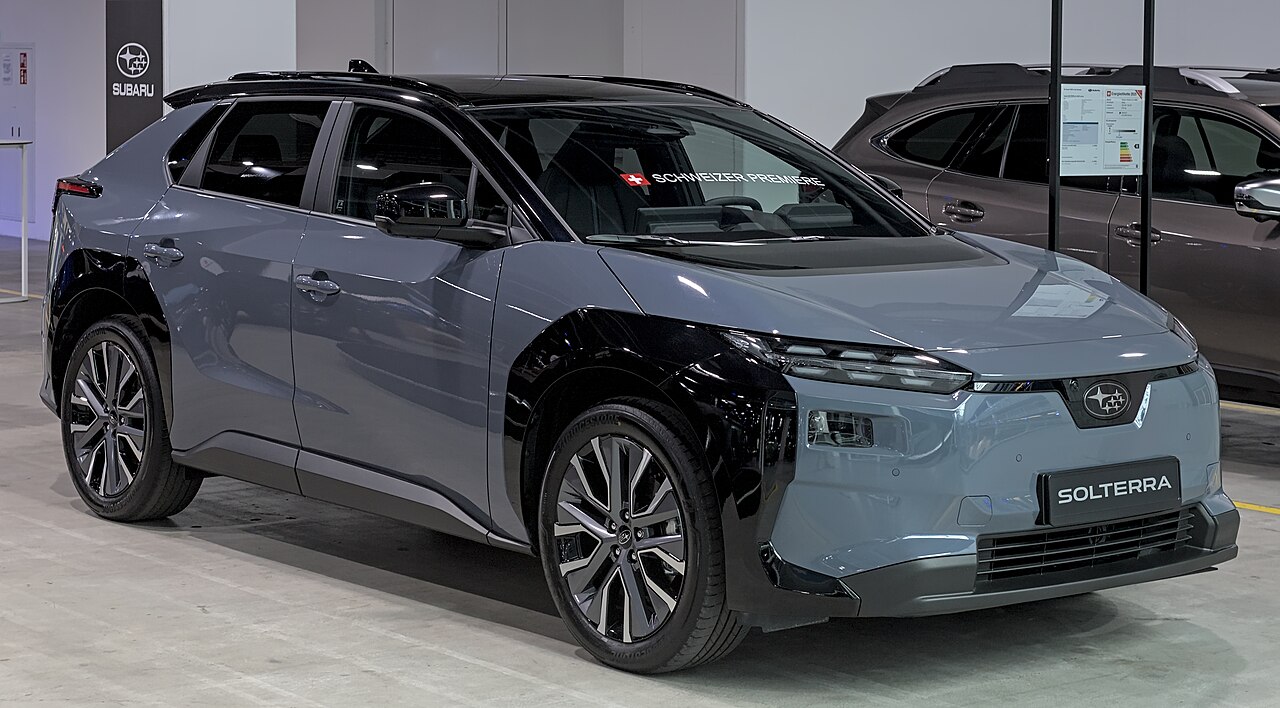
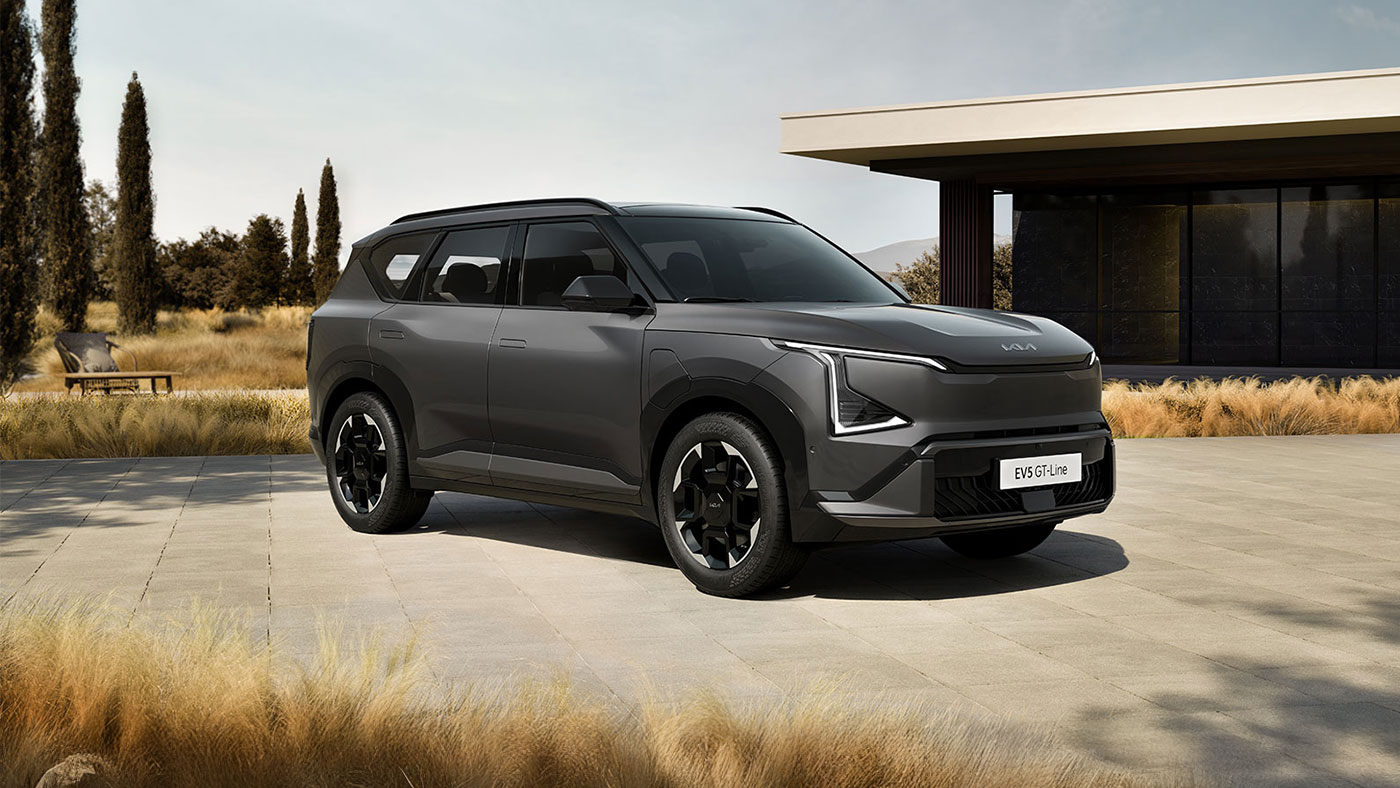
The EV5 is the value-first family choice, especially in Wind FWD form with its 460-km target range.
The Price Gap Is Real, but the Labels Differ
Kia Canada lists the EV5 Wind FWD at $47,495 MSRP and Wind AWD at $49,995 MSRP. Subaru Canada lists the Trailseeker Touring at $57,785, but that number includes freight and fees.
That means subtracting one advertised number from the other exaggerates the true showroom gap. The EV5 still starts lower, but buyers should compare written, all-in dealer quotes rather than treating the displayed prices as identical accounting.
The trim walk also matters. An EV5 Land AWD starts at $52,495 MSRP, while GT-Line AWD rises to $57,995 before freight and fees. At that point, the Kia is no longer automatically the bargain. The Trailseeker Touring may become competitive once equipment and complete pricing are aligned.
The cleanest value case belongs to the EV5 Wind trims. Once the EV5 moves into the high-$50,000 range, shoppers should compare capability and equipment rather than brand headlines.
Range Depends on Which EV5 You Mean
The range comparison changes when the EV5 gains all-wheel drive.
The EV5 Wind FWD targets 460 km, giving it a 16-km paper advantage over the Trailseeker. It also has the larger 81.4-kWh battery and a heat pump, making it the sensible EV5 for a household that prioritizes highway buffer and can live with front-wheel drive.
The EV5 Wind AWD targets 415 km. The Trailseeker’s official Canadian figure is up to 444 km, so Subaru has the 29-km advantage when both vehicles have all-wheel drive.
Those gaps are not enormous, and Canadian winter conditions can cut into any rating. Still, the comparison reveals each vehicle’s priorities. Kia lets efficiency-minded shoppers stay with one driven axle. Subaru makes AWD standard and still delivers a competitive range figure.
Charging Is Basically a Draw
Both vehicles use a native NACS port, the Tesla-style connector now spreading across new North American EVs. That simplifies access to compatible public fast chargers and reduces the importance of carrying a CCS-to-NACS adapter.
Kia Canada says the EV5 supports 11-kW AC charging and up to 150-kW DC fast charging, with a claimed 10-to-80-percent time of about 30 minutes under suitable conditions. Subaru Canada publishes the same 11-kW AC rate, 150-kW DC peak and roughly 30-minute 10-to-80-percent estimate for the Trailseeker.
Neither is an 800V charging champion. A Hyundai IONIQ 5 or Kia EV6 can post a much faster ideal-session claim on a powerful compatible charger. But 30 minutes is workable for a meal or family break, and identical headline rates mean charging should not decide this comparison.
Route planning, cold-weather preconditioning and access to reliable chargers will matter more in practice than the matching 150-kW number.
The Trailseeker Earns Its Money in Capability
Subaru’s strongest argument is that the Trailseeker is built for jobs the EV5 does not emphasize.
The Trailseeker has 375 hp, standard Symmetrical AWD, dual-function X-MODE, 215 mm of ground clearance and a 1,587-kg towing rating. Subaru also lists up to 2,095 litres of cargo space with the rear seats folded on Touring and Limited trims.
That combination makes sense for camping trailers, utility trailers, bikes, canoes, ski trips, rough access roads and households that genuinely use a vehicle’s cargo area. The Trailseeker is closer to an electric adventure wagon than a generic mall crossover.
The EV5 has its own useful traits. Kia gives it a front trunk, flat-folding second-row seats and available vehicle-to-load power. The long-range FWD model can tow up to 816 kg when properly equipped. That is enough for lighter utility needs, but it is not the same brief as the Subaru.
If towing is occasional and modest, the EV5 may still be enough. If 816 kg would force compromises, the Trailseeker has the clearer answer.
The EV5 Is the Easier Family Value Choice
Most electric SUV buyers do not tow 1,500 kg or seek out unpaved roads. They need space for child seats, groceries, hockey bags, pets and weekend luggage.
That is where the EV5 makes its case. Its upright body, flat rear floor and conventional SUV proportions put usable space ahead of a coupe-like silhouette. Every EV5 includes heated front seats, a panoramic display, wireless Apple CarPlay and Android Auto, and native NACS charging. Long-range trims add the heat pump that matters in Canada.
The Wind FWD concentrates spending on battery and range. The Wind AWD adds winter traction without climbing all the way into premium trim pricing. That is a more efficient use of budget for a household that will spend nearly all its time on paved roads.
Subaru counters with standard AWD and a strong base specification, including a 14-inch touchscreen, two wireless phone chargers, heated front seats and a power liftgate. The Trailseeker Touring is not stripped. It is simply positioned above the value-focused EV5 trims.
Which One Makes More Sense in a Canadian Winter?
Winter tires remain essential on either vehicle. AWD helps a vehicle accelerate in low-grip conditions; it does not shorten an icy stopping distance.
The Trailseeker brings standard dual-motor AWD, X-MODE and more ground clearance, making it the stronger factory package for deep snow, rutted roads and poorly maintained access routes. Subaru also lists battery heating and preconditioning.
The EV5 Wind AWD is the sensible middle ground for paved-road winter driving. It has AWD, an 81.4-kWh battery and a heat pump without requiring Trailseeker money. Its lower 415-km target range is the trade-off.
The EV5 Wind FWD remains viable in cities and suburbs with good winter tires and regular snow clearing. Buyers should not pay for AWD by reflex if their actual driving pattern does not require it.
Who Should Buy Each One?
Buy the EV5 Wind FWD if you charge at home, prioritize purchase price and range, and mostly drive on paved roads.
Buy the EV5 Wind AWD if you want the EV5’s lower-cost family formula with additional winter traction, and a 415-km target range is enough.
Buy the Trailseeker Touring if towing, ground clearance, cargo flexibility and rough-road ability are recurring needs. It is also the more convincing choice for buyers replacing an Outback or another adventure-oriented AWD vehicle.
Compare the EV5 Land or GT-Line AWD directly with the Trailseeker if comfort and technology are pushing the Kia’s quote upward. At similar money, the Subaru’s capability advantage becomes harder to ignore.
Before signing, check the MotorLinks Canadian EV incentive guide and ask the dealer to show every eligible incentive, freight charge and fee on the worksheet. Program rules and trim eligibility can change, so the complete transaction matters more than the website headline.
Bottom Line
The Kia EV5 is the better answer for most households because it delivers the useful EV fundamentals at a lower price. The Wind FWD is the range-and-value pick, while the Wind AWD is the practical Canadian-winter compromise.
The Subaru Trailseeker is the better tool. It costs more, but its 375 hp, 444-km range, 215 mm of ground clearance and 1,587-kg towing capacity are meaningful upgrades for buyers who will use them.
Choose the EV5 to avoid paying for capability that will sit idle. Choose the Trailseeker when that capability is part of the weekly routine.
FAQ
Is the Kia EV5 cheaper than the Subaru Trailseeker in Canada?
Yes. The EV5 Wind AWD is listed at $49,995 MSRP before freight and fees, while the Trailseeker Touring starts at $57,785 with freight and fees included. Compare complete dealer quotes because the advertised price formats differ.
Which has more range, the Kia EV5 or Subaru Trailseeker?
The EV5 Wind FWD targets 460 km, the Trailseeker is rated at up to 444 km, and the EV5 Wind AWD targets 415 km. The answer depends on whether the Kia is front- or all-wheel drive.
Do the Kia EV5 and Subaru Trailseeker use NACS charging?
Yes. Both use native NACS ports and list 150-kW DC fast charging with an ideal 10-to-80-percent time of about 30 minutes.
Which electric SUV is better for towing and rough roads?
The Subaru Trailseeker. Its 1,587-kg towing rating, 215 mm of ground clearance, standard AWD and dual-function X-MODE give it a much stronger capability brief.