The Solid-State Battery Promise: Why 2026 Won't Be the Breakthrough Year
Toyota, QuantumScape, and Samsung have all demonstrated solid-state battery prototypes, but manufacturing challenges mean mass-market EVs with solid-state cells are still years away. Here's the realistic timeline.
Solid-state batteries are the holy grail of EV technology — promised to deliver higher energy density, faster charging, and dramatically reduced fire risk compared to current lithium-ion batteries. Toyota has been demonstrating solid-state prototypes for years, and companies like QuantumScape, Samsung SDI, and CATL have made similar claims. After a decade of “two to three years away” projections, it’s fair to ask: when will solid-state batteries actually arrive in consumer vehicles?
What Solid-State Actually Means
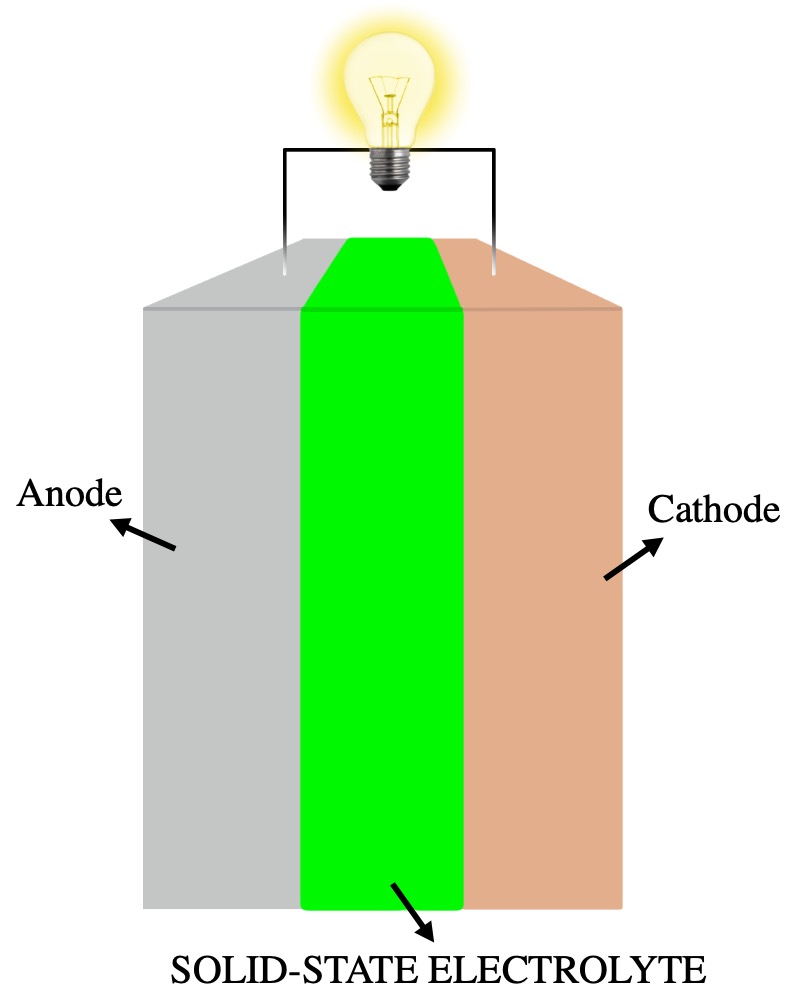
A conventional lithium-ion battery uses a liquid electrolyte to transport lithium ions between the cathode and anode. Solid-state batteries replace that liquid with a solid electrolyte — typically a ceramic, glass, or polymer material. The benefits are significant:
- Higher energy density: Solid electrolytes can enable lithium-metal anodes (instead of graphite), potentially doubling energy density by weight and volume.
- Faster charging: Solid electrolytes don’t have the same thermal runaway risks as liquid electrolytes, potentially allowing faster charging rates.
- Safety: Solid electrolytes are non-flammable, eliminating the thermal runaway events that cause EV battery fires.
The Current State of Technology
Toyota: Has demonstrated a solid-state battery that achieves 745 miles of range in a test vehicle, with the ability to charge from 10 to 80 percent in approximately 10 minutes. Toyota has committed to launching a solid-state battery vehicle in 2027 or 2028, but industry analysts widely expect delays.
QuantumScape: Has demonstrated its lithium-metal solid-state cells in laboratory testing, showing excellent cycling performance. The company has a manufacturing partnership with Volkswagen and has said it is targeting commercial production in 2026-2027, but the track record of battery startups meeting ambitious timelines is not encouraging.
Samsung SDI: Has shown solid-state cells at trade shows with 900 Wh/L energy density — approximately 40 percent higher than the best current liquid cells. Samsung has a partnership with Stellantis for potential integration in future vehicles.
CATL: China’s dominant battery manufacturer is working on solid-state technology but has been more conservative about timelines, suggesting commercial production is a 2029-2030 story.
Why Manufacturing Is Hard
The challenge with solid-state batteries is not chemistry — the chemistry is reasonably well understood. The challenge is manufacturing at scale.
Solid electrolytes are brittle and expand and contract during charge and discharge cycles in ways that liquid electrolytes don’t. Getting the interfaces between solid electrolyte and electrode to remain stable over thousands of cycles has proven extremely difficult. Early solid-state cells tend to lose capacity quickly due to the mechanical stress of cycling.
Toyota’s most recent announcement acknowledged that its first-generation solid-state batteries will be expensive and produced in limited volumes. The company’s stated plan is to introduce the technology in a “premium hybrid vehicle” before scaling to full BEVs — a pragmatic acknowledgment that the technology isn’t ready for mass-market applications.
The Realistic Timeline
Based on current evidence, here’s the realistic timeline for solid-state batteries:
-
2027-2028: Toyota launches limited-production solid-state vehicle in Japan or China. Extremely expensive, perhaps $100,000+. Test fleet or compliance vehicle rather than a genuine consumer product.
-
2029-2030: QuantumScape and/or Samsung begin commercial production, potentially for premium Volkswagen Group vehicles. Costs remain very high.
-
2030-2032: If manufacturing challenges are resolved, second-generation solid-state batteries begin to reach mass-market applications. By this point, current liquid lithium-ion batteries will have become much cheaper, making the transition costlier.
What This Means for EV Buyers Today
For buyers in the market for an EV today or in the next 3-4 years, solid-state batteries are not a factor. The current generation of lithium-ion cells — particularly LFP (lithium iron phosphate) chemistry for affordable vehicles and NMC (nickel manganese cobalt) for premium vehicles — will continue to improve and decline in cost.
The current EV market is already delivering 300+ miles of range in vehicles priced at $40,000-$50,000. By the time solid-state batteries arrive, liquid lithium-ion will be delivering similar range at $25,000-$30,000.
Motorlinks covers EV battery technology developments. For more on current EV battery types, see our battery technology explainer.