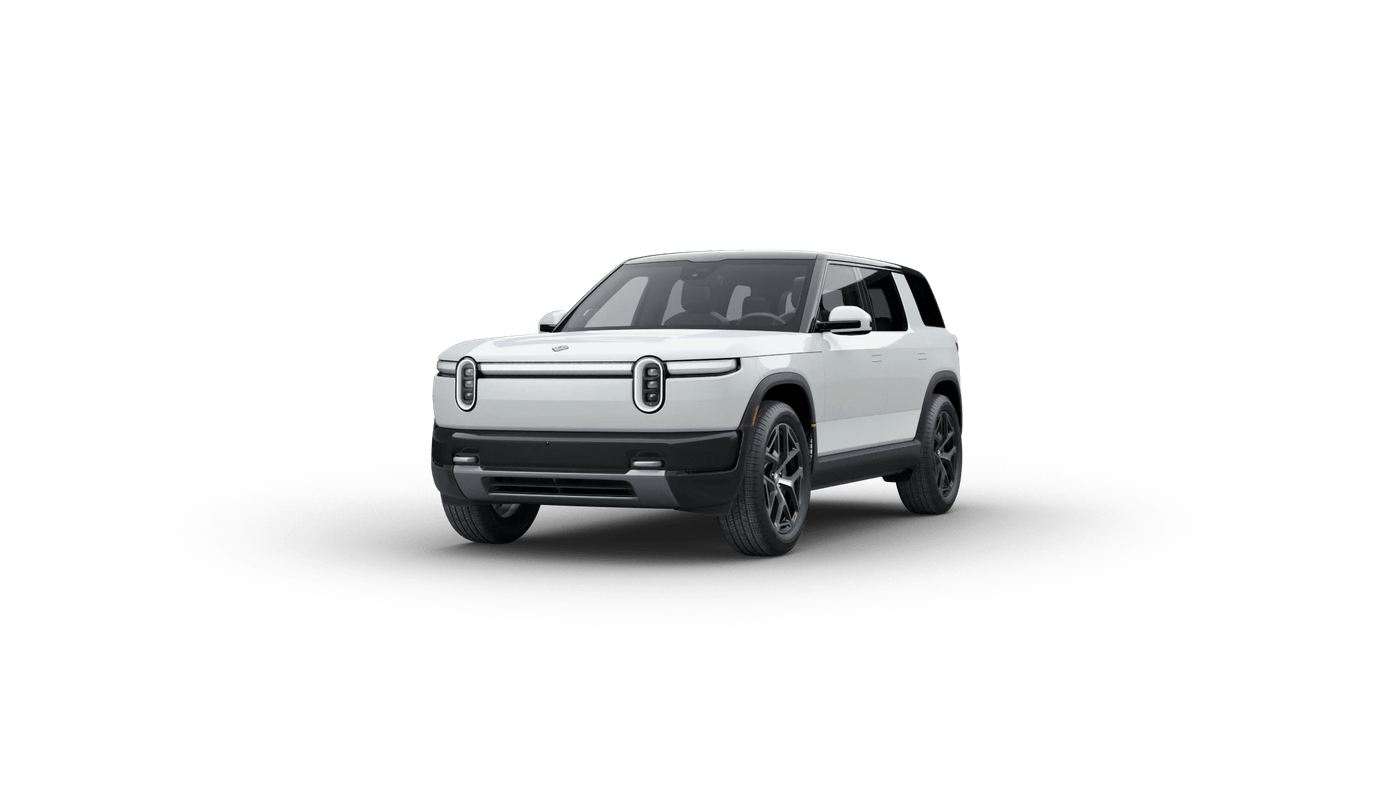
Rivian's R2 Is the Spring Launch That Could Define the EV Startup's Future
Rivian has spent years as a niche adventure EV brand. The R2, the company's smaller and more affordable midsize SUV, is intended to broaden its audience. Its launch…
Photo: Rivian
Rivian has spent years as a niche adventure EV brand. The R2, the company’s smaller and more affordable midsize SUV, is intended to broaden its audience. Its launch matters because a lower-priced product gives Rivian a different route to scale, while manufacturing and demand risks remain.
What Rivian Said, and When
Rivian’s February 12, 2026 results guided to 62,000–67,000 company-wide deliveries for 2026 and expected initial R2 customer deliveries in the second quarter. That announcement came after this article’s original February 7 dateline.
The March 12 lineup release subsequently set a $57,990 starting price for Performance with Launch Package, excluding applicable taxes and fees. Premium was planned for late 2026 and Standard variants for 2027. These were company plans at announcement, not proof of completed deliveries or today’s transaction prices.
Gross Profit Is Not Per-Vehicle Profit
For Q4 2025, Rivian reported $120 million of consolidated gross profit but a $59 million automotive gross loss. Q4 2024 had already recorded consolidated gross profit, so Q4 2025 was not the first profitable gross-profit quarter. Gross profit also doesn’t confirm net profitability or positive margin on every vehicle.
The operating manufacturing facility in that disclosure was Normal, Illinois. That disclosure does not show a Georgia factory already at profitable production scale.
The R2’s Platform: What Changes
Rivian describes R2 as an all-new midsize platform, not simply an R1 variant. The two-row format differs from the three-row R1S. Specific range and equipment figures depend on the variant; they should not be combined into a hypothetical base vehicle.
LG Energy Solution’s announced R2 cell agreement identifies 4695-format cylindrical cells; cell format alone doesn’t confirm chemistry.
The Stakes
Rivian’s outlook hinges on the R2’s success for straightforward reasons. The R1S and R1T are excellent vehicles — genuinely impressive in their design and execution — but they’re too expensive for volume. Rivian needs a car that tens of thousands of Americans can afford, not thousands.
R2 success could improve Rivian’s commercial position, but neither a financing round nor one gross-profit metric establishes that its funding needs are solved. Delivery quality, demand and manufacturing execution remain the tests.
The launch is the test. Later evidence should be read as an update to this preview, not backdated into February.
Sources and scope
No independent R2 road test, cash-runway certification or original chemistry evidence.