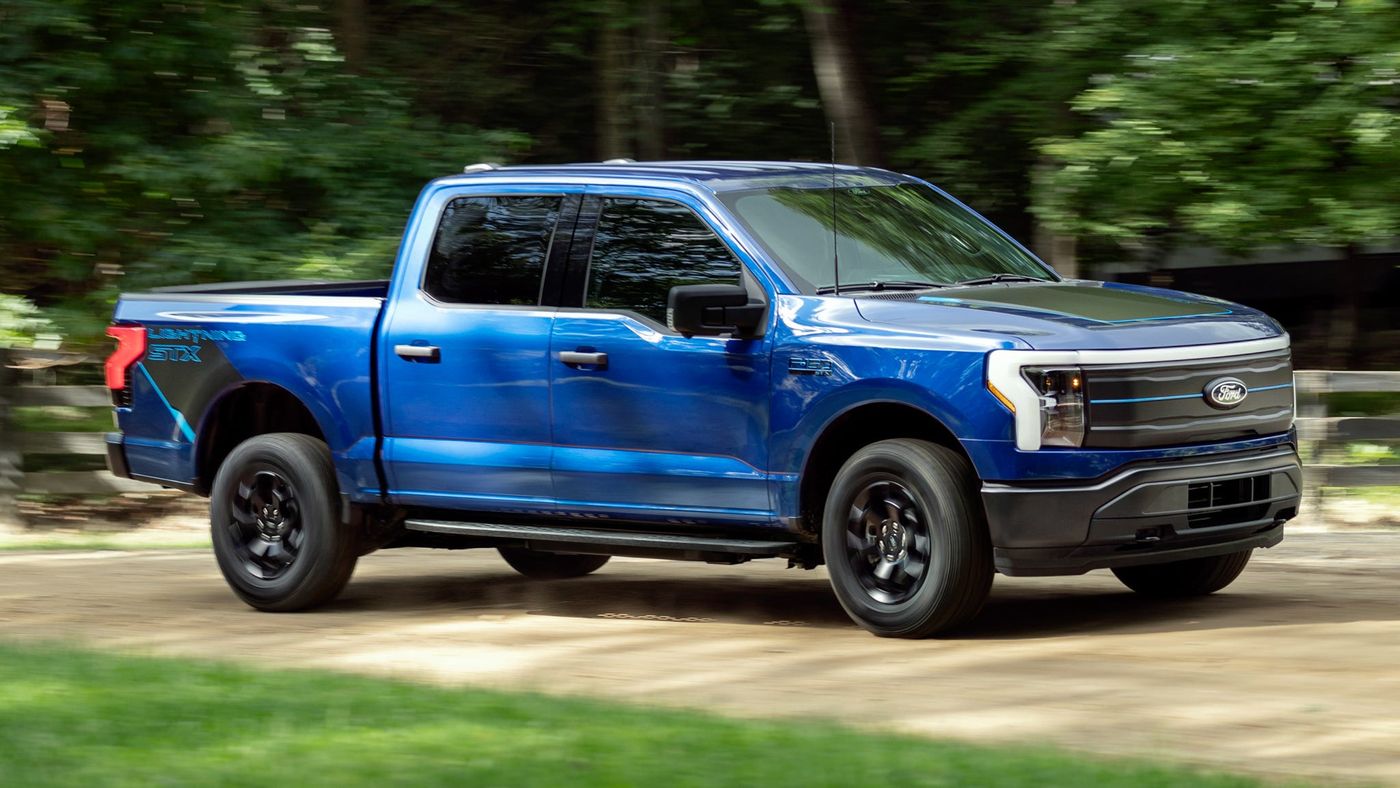
Ford's $30,000 Electric Truck Is Real — And It's Closer Than You Think
Ford's Universal Electric Vehicle platform targets a $30,000 midsize EV pickup by 2027. Here's what we know about the most ambitious affordable EV truck project from a legacy automaker.
For years, thepromise of an affordable electric truck has felt perpetually one or two years away. Ford is trying to change that narrative. The automaker’s Universal Electric Vehicle (UEV) platform, the architectural foundation for its next generation of EVs, is targeting a $30,000 midsize electric pickup — and the company expects to build it profitably from day one.
That last part is the key detail. Ford hasn’t been able to say that about its current EVs. The F-150 Lightning and Mustang Mach-E were both sold at a loss. The UEV platform is designed from the ground up to change that equation.
Starting With a Mid-Size Truck, Not a Full-Size
Ford is deliberately starting smaller. The first UEV product will be a midsize pickup — smaller than the F-150 Lightning — targeting a starting price around $30,000. That positions it below the $52,000 Lightning and well clear of the $100,000+ Cybertruck.
A midsize EV truck at that price point would slot directly against the Chevrolet Colorado (gas) and, when the EV version arrives, could compete with Subaru’s forthcoming three-row EV.
Ford CEO Jim Farley has described the project as a deliberate effort to bring gas-truck buyers into the EV fold — not by asking them to compromise, but by building something that fits their use case and their budget.
How Ford Plans to Hit That Price
The UEV platform’s cost discipline is notable. Ford internally ran what it calls a “bounty hunter” program, where engineering teams were incentivized to find cost-saving innovations. The platform uses:
- LFP (lithium iron phosphate) batteries instead of the more expensive NMC chemistry — a first for Ford’s North American EVs. LFP batteries are cheaper to manufacture, more durable, and don’t require cobalt.
- Fewer parts overall: Ford has cut the part count significantly compared to its current EV architecture. Simpler construction means faster assembly and fewer things that can go wrong.
- Optimized aerodynamics: The truck’s profile has been shaped with aero efficiency in mind, squeezing range from a smaller battery pack.
The targeted range hasn’t been officially confirmed, but early engineering targets suggest somewhere in the 250–300 mile range for the base version — enough for most truck use cases without the premium cost of a massive battery pack.
A 0–60 Time That Surprises
One spec that’s already trickled out: the UEV truck is targeting 0–60 mph in under five seconds. That’s brisk for a gas midsize truck, and genuinely quick for an EV at this price. Ford clearly wants the performance to be part of the appeal, not a tradeoff.
Full Details Coming February 17
Ford plans to reveal the full technical details of the UEV platform on February 17th. That’s when we’ll get the official range, battery size, charging speed, and the truck’s final design. The reveal is expected to include a drivable prototype or at minimum a close-to-production concept.
Why This Matters
Ford’s EV program has had a rough few years. The Lightning was a bold first effort, but its $20,000+ price premium over a gas F-150 made it a hard sell. The UEV platform represents a course correction — an acknowledgment that affordable EVs require fundamentally different engineering, not just cheaper trims.
If Ford can deliver a midsize electric truck at $30,000 with decent range and genuine utility, it would be one of the most significant EVs from a legacy automaker to date. The question is whether the company can actually build it profitably at scale by 2027 — and whether American truck buyers are ready to consider an electric pickup that isn’t a full-size flagship.
We’ll know more on February 17th. But the early signs suggest Ford is finally taking the affordable EV truck seriously.
Want to be ready for the February 17 reveal? Check out our guide to the best home EV chargers to install before your next EV arrives.