What Happens to the U.S. EV Market After the Tax Credit Cliff?
U.S. EV sales dropped nearly 60% in October 2025 after the federal $7,500 tax credit expired. We look at what's ahead for American EV makers, which brands are surviving, and whether the market can recover.
The U.S. electric vehicle market just ran into a wall — and it wasn’t range anxiety or charging infrastructure. It was the expiration of the federal $7,500 EV tax credit on October 1, and the numbers are starker than almost anyone predicted.
By mid-October 2025, the picture was grim. Retail EV share in the U.S. collapsed to just 5.2% in October, down from over 12% in September when buyers rushed to complete purchases before the credit vanished, according to J.D. Power and GlobalData. Some analysts had forecast a pullback — but a near-60% drop in EV sales volume was the kind of cliff that even skeptics couldn’t dismiss.
Why October Hit So Hard
The pull-forward effect in September was enormous. Dealers reported customers paying premiums over sticker just to lock in orders before September 30. When the calendar flipped, that urgency evaporated — and with it, much of the EV buying cohort that was barely qualifying for an EV without the subsidy.
“Buyers who were on the fence were gone,” said Erin Keating, executive analyst at Cox Automotive. “The people left in the market are either true believers or luxury buyers who weren’t depending on the credit in the first place.”
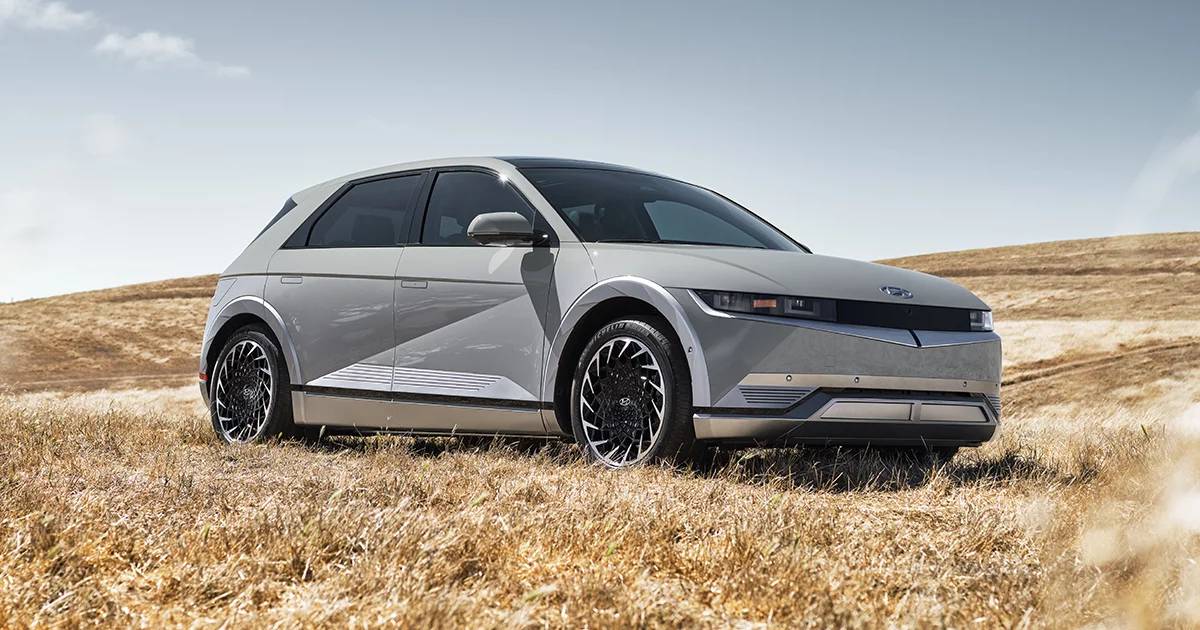
The brands that relied most heavily on the credit took the biggest hits. Hyundai saw Ioniq 5 sales crater — falling from 4,498 units in October 2024 to just 1,642 in October 2025, a 63% decline. Kia’s EV6 dropped similarly. Even Honda’s Prologue, a relatively affordable EV co-developed with GM, saw significant month-over-month declines.
What’s Next for U.S. EV Makers
The industry is now betting on a soft landing rather than a collapse. Automakers including Ford, GM, and Hyundai have already moved to increase lease incentives and manufacturer discounts to offset the loss of the federal credit. Some states — notably California, New York, and Colorado — have moved to fill part of the gap with their own state-level incentives, though they’re nowhere near the $7,500 federal level.
AutoPacific’s Ed Kim expects EV market share to stabilize around 8% nationally through 2025 and 2026, supported by a growing number of affordable models and a second wave of plug-in hybrids. “The long-term trajectory is still upward,” Kim said. “But the cliff was always going to be real.”
Cox Automotive projects full-year 2025 new-vehicle sales of 16.3 million units, still up from 2024 — suggesting the broader auto market is holding even as EV volumes compress.
The Tesla Exception
One notable outlier: Tesla appears to be holding up better than most. Tesla’s Model Y continued to dominate EV registrations in October, with the brand’s vast Supercharger network and existing brand recognition providing insulation that smaller EV brands simply don’t have. Whether that changes as more competitive EVs hit the market remains the central question for the U.S. EV sector through 2026.
Amazon links for EV buyers navigating the new landscape: