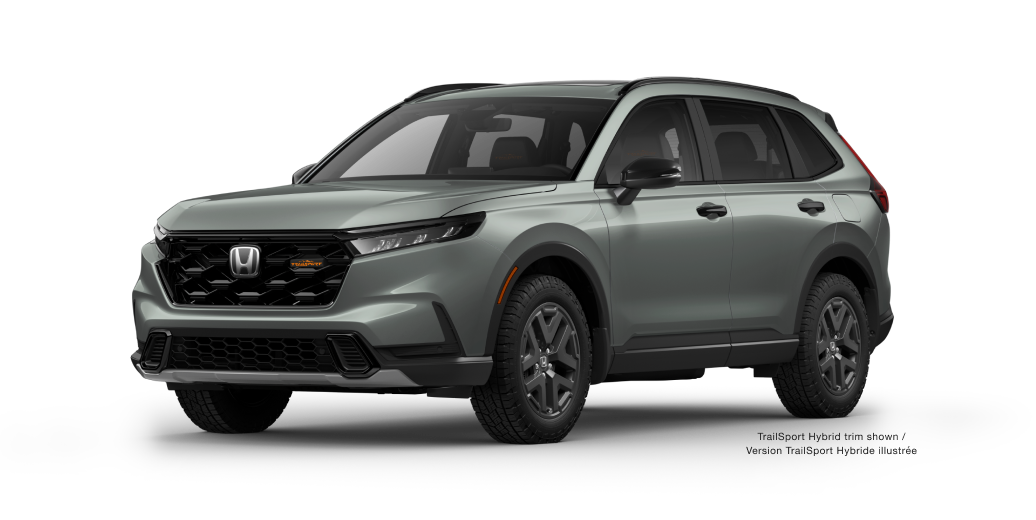
2026 Canadian Hybrid SUV Shortlist
RAV4 Hybrid, CR-V Hybrid and Tucson Hybrid are sensible names for a shortlist, but this partial specification comparison cannot select a universal winner. Match Canadian trim, drivetrain, included equ
Photo: Honda
Quick Verdict
RAV4 Hybrid, CR-V Hybrid and Tucson Hybrid are sensible names for a shortlist, but this partial specification comparison cannot select a universal winner. Match Canadian trim, drivetrain, included equipment and a complete local offer.
What Toyota’s Announcement Says
Toyota Canada’s January 5, 2026 release describes the redesigned Canadian RAV4 lineup as hybrid and plug-in hybrid, with standard AWD. Its regular hybrid uses a 2.5-litre engine and fifth-generation hybrid system, producing 236 net system hp. The dated LE AWD starting MSRP is C$37,500, before applicable charges; it is not a current transaction quote or the plug-in’s price.
The release gives manufacturer-estimated combined consumption by grade, not one result for every RAV4:
| Canadian RAV4 hybrid grade | Combined estimate (L/100 km) |
|---|---|
| LE AWD | 5.5 |
| XLE AWD | 5.7 |
| Limited AWD | 5.8 |
| XSE AWD | 5.8 |
| Woodland AWD | 6.2 |
It also identifies standard Toyota Safety Sense 4.0 and a 10.5-inch screen on LE. These facts do not prove best resale value, superior ride or the best overall purchase for every family.
Honda and Hyundai: Keep the Variants Separate
Honda Canada’s current 2026 CR-V page, checked October 19, lists the hybrid’s 2.0-litre/two-motor system at 204 combined hp. It describes the new TrailSport Hybrid and says a nine-inch screen is standard on every 2026 CR-V, rather than only higher trims as our article suggested. A specification is not proof that its cabin is the roomiest or its controls most comfortable.
Hyundai Canada’s current Tucson page distinguishes the regular Hybrid from Plug-in Hybrid, describing the latter’s stronger electric motor and 268 hp. Hyundai advertises up to 2,000 lb towing for its Hybrid and Plug-in Hybrid under the applicable conditions; a towing comparison still needs matched configurations.
No unsupported replacement numbers are assigned to the other configurations.
Interior, Technology and Value
Evaluate the rear seats with your passengers, try your child seats and check the cargo you actually carry. Brand reputation does not set future resale value or the mechanical condition of a particular car.
Confirm phone connectivity, driver assistance and display equipment for the exact trim. Obtain dated itemized prices rather than using missing competitor prices to declare Toyota or Hyundai the value winner.
Regular Hybrid or Plug-in?
A regular hybrid and a plug-in hybrid should be compared separately. Charging access, route length and the actual price difference matter. The Tucson Plug-in Hybrid is part of that comparison. A nameplate alone does not decide incentive eligibility.
Check the current Canadian EV incentive guide and the program’s own eligibility rules.
Which 2026 compact hybrid SUV is the best overall pick in Canada?
This partial source comparison doesn’t confirm an overall winner. Compare exact Canadian trims, complete local quotes and the equipment your household needs.
Should Canadians consider the RAV4 Plug-in Hybrid instead?
Consider the plug-in separately if you can charge regularly. Verify its exact range, price and active incentive eligibility; the January 2026 regular-hybrid price is not a plug-in offer.
Related Articles
Image credit: Honda Canada, 2026 CR-V TrailSport Hybrid manufacturer product illustration. It shows one vehicle, not the compared trio.