Audi's Electric Identity Crisis: The 2027 A6 e-tron Arrives in the U.S. — But Is It Enough to Win Over Skeptics?
Audi's revised 2027 A6 e-tron and Q6 e-tron bring meaningful software improvements and the return of physical controls, but the brand faces an uphill battle against BMW and Mercedes in the U.S. market.
Audi is bringing its revised 2027 A6 e-tron and Q6 e-tron to the U.S. market, and the German marque is hoping a slate of software and hardware improvements will be enough to reframe its electric narrative in North America. The cars go on sale this spring at roughly $67,000 and $64,000 respectively — but the real question is whether these updates address the frustrations that have kept Audi’s EVs off American shopping lists.
Official Audi A6 e-tron gallery
18

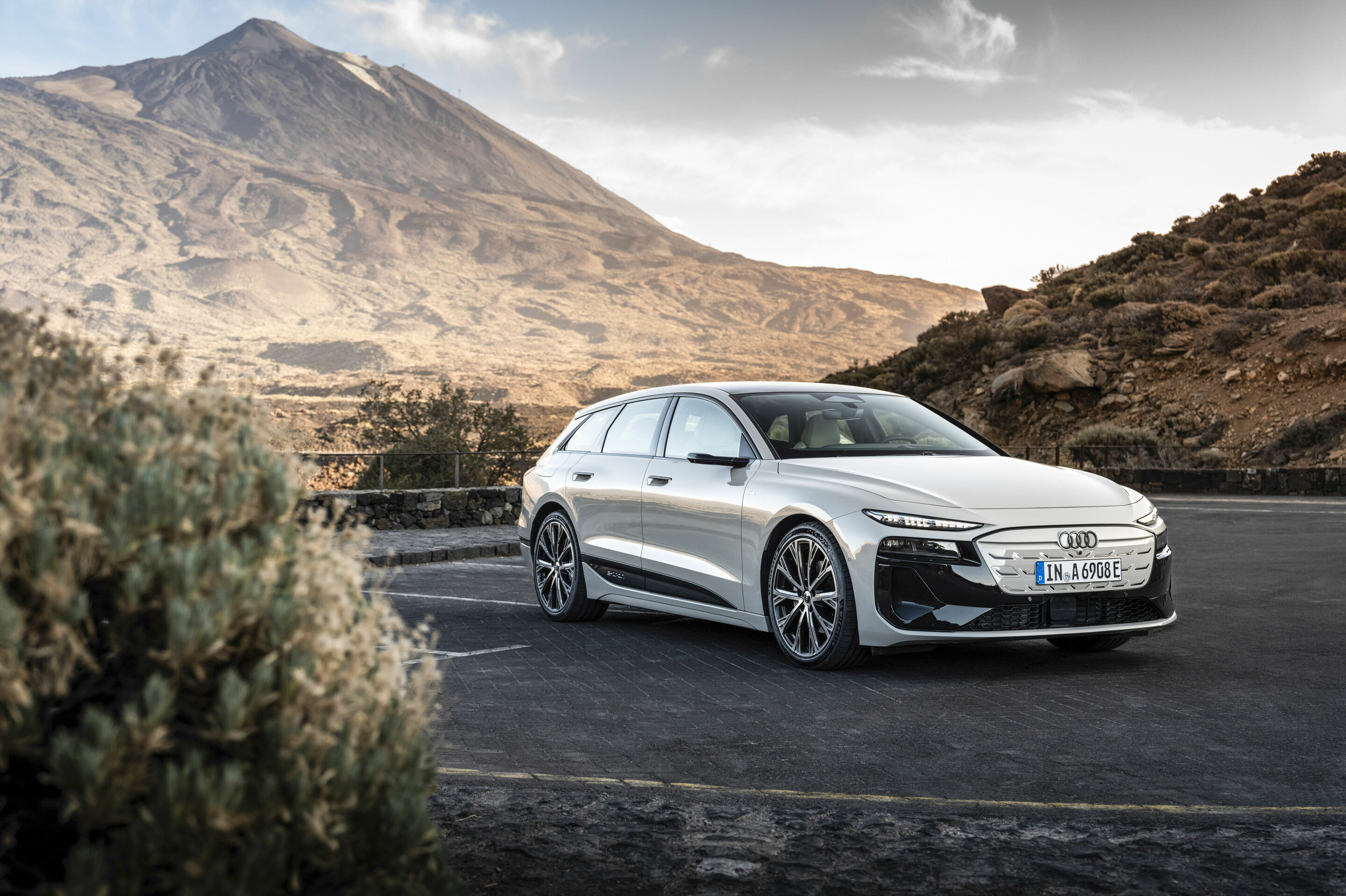
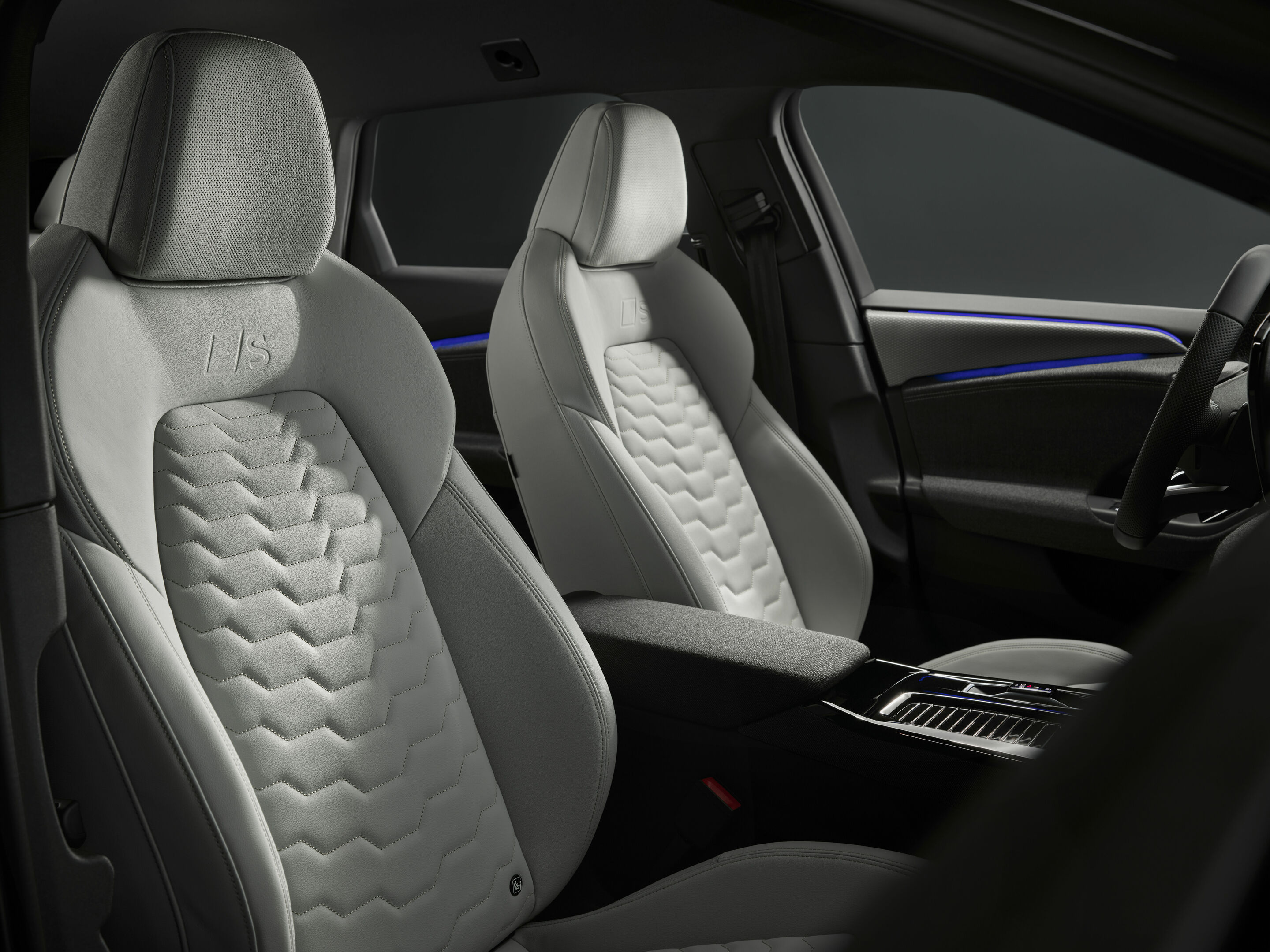
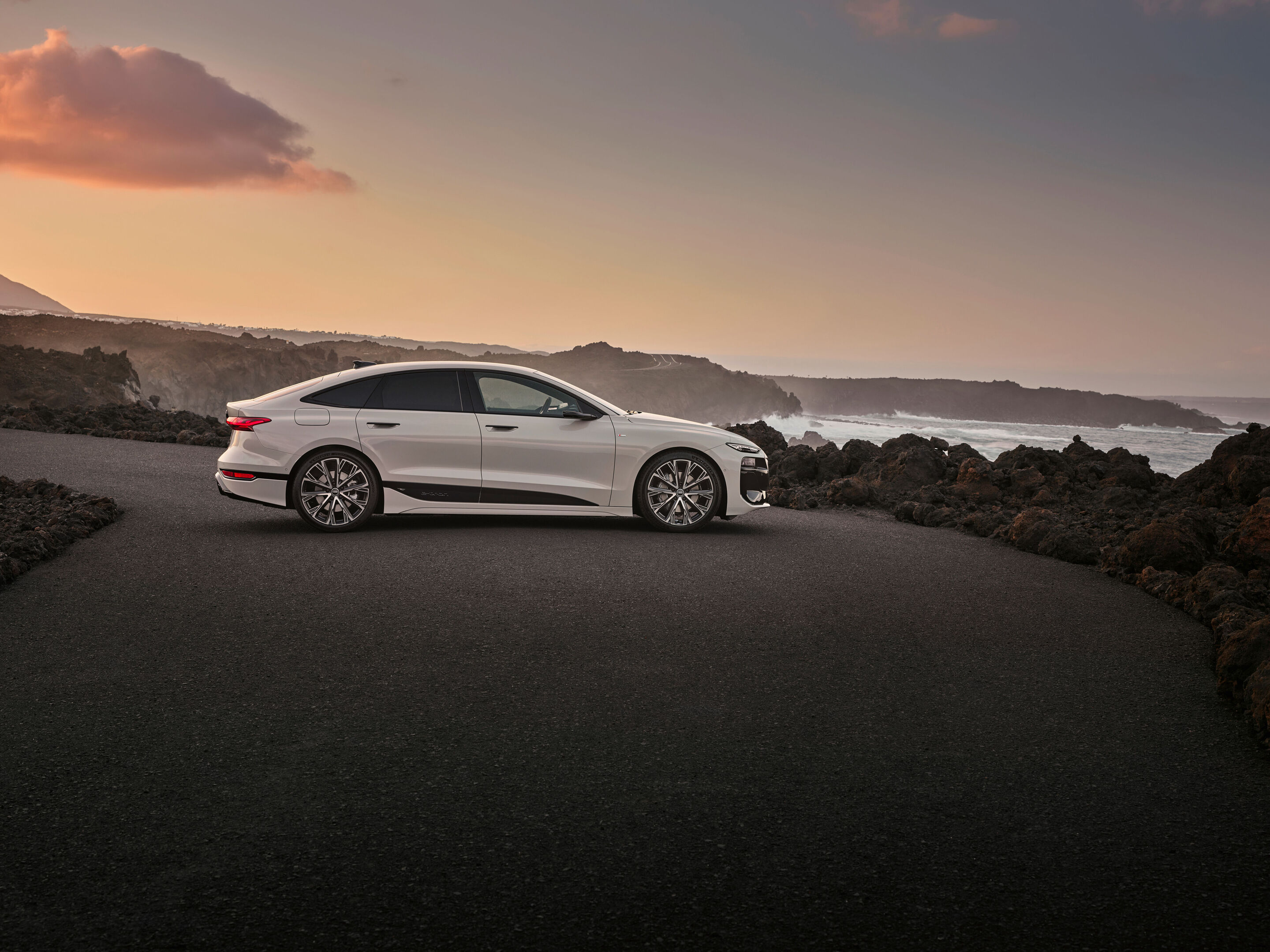
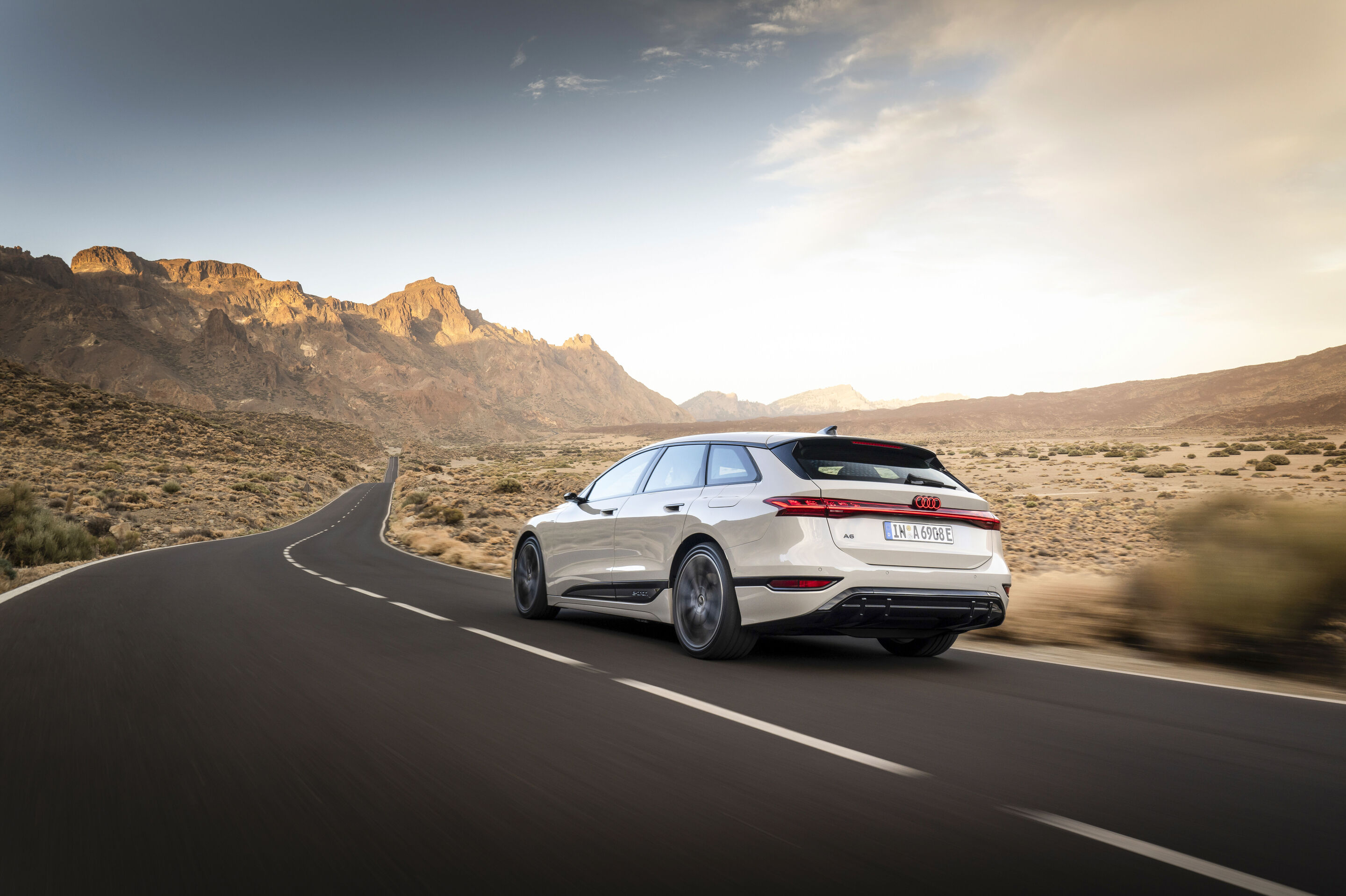
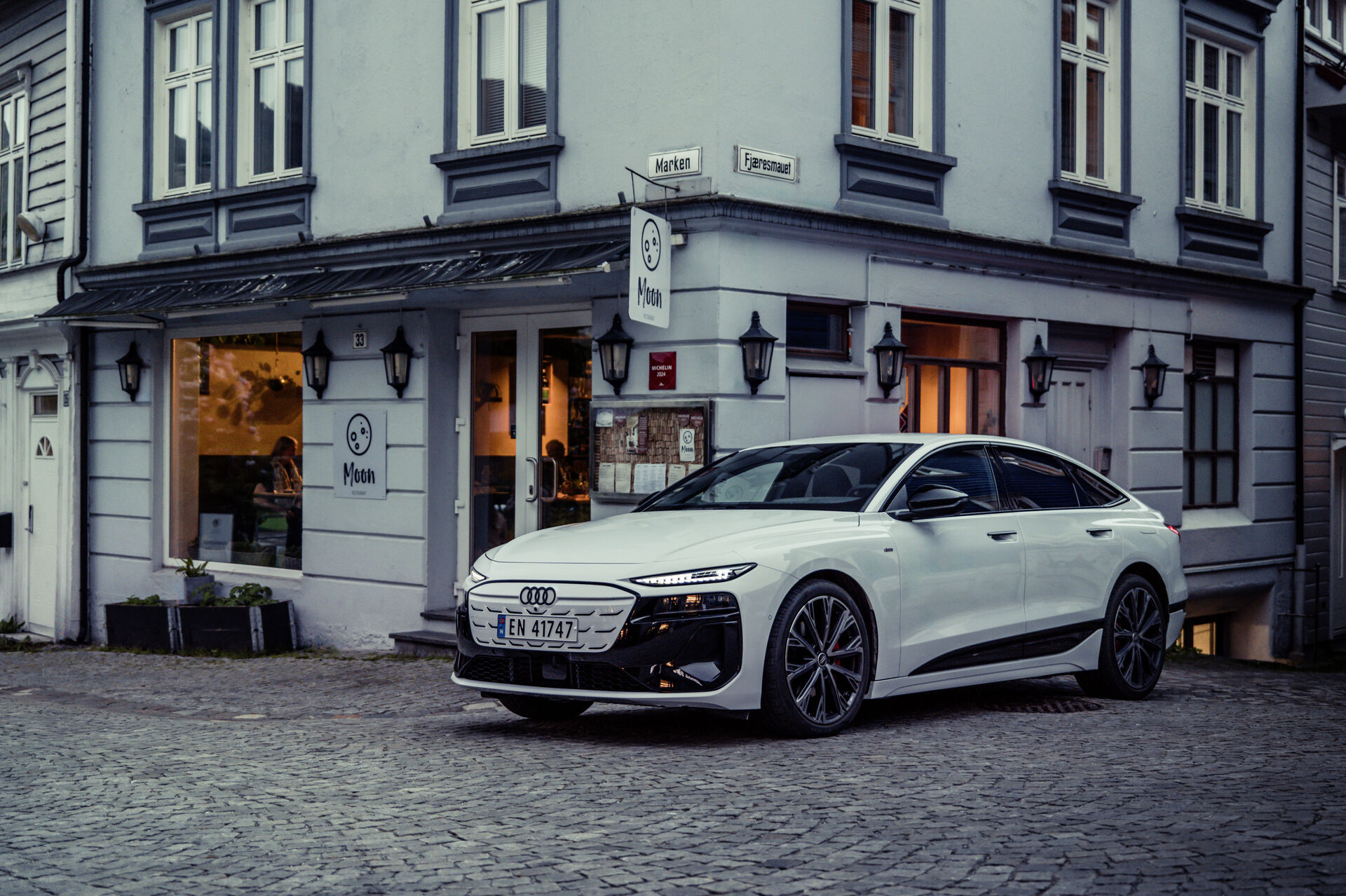
Audi's clean front three-quarter MediaCenter shot does a much better job than a generic stock hero of showing the A6 e-tron's long, low silhouette and calmer electric-brand identity.
What Changed for 2027
The 2027 model year brings the most substantive revision to Audi’s PPE-platform vehicles since their launch. Audi of America confirmed the details in a press release last month:
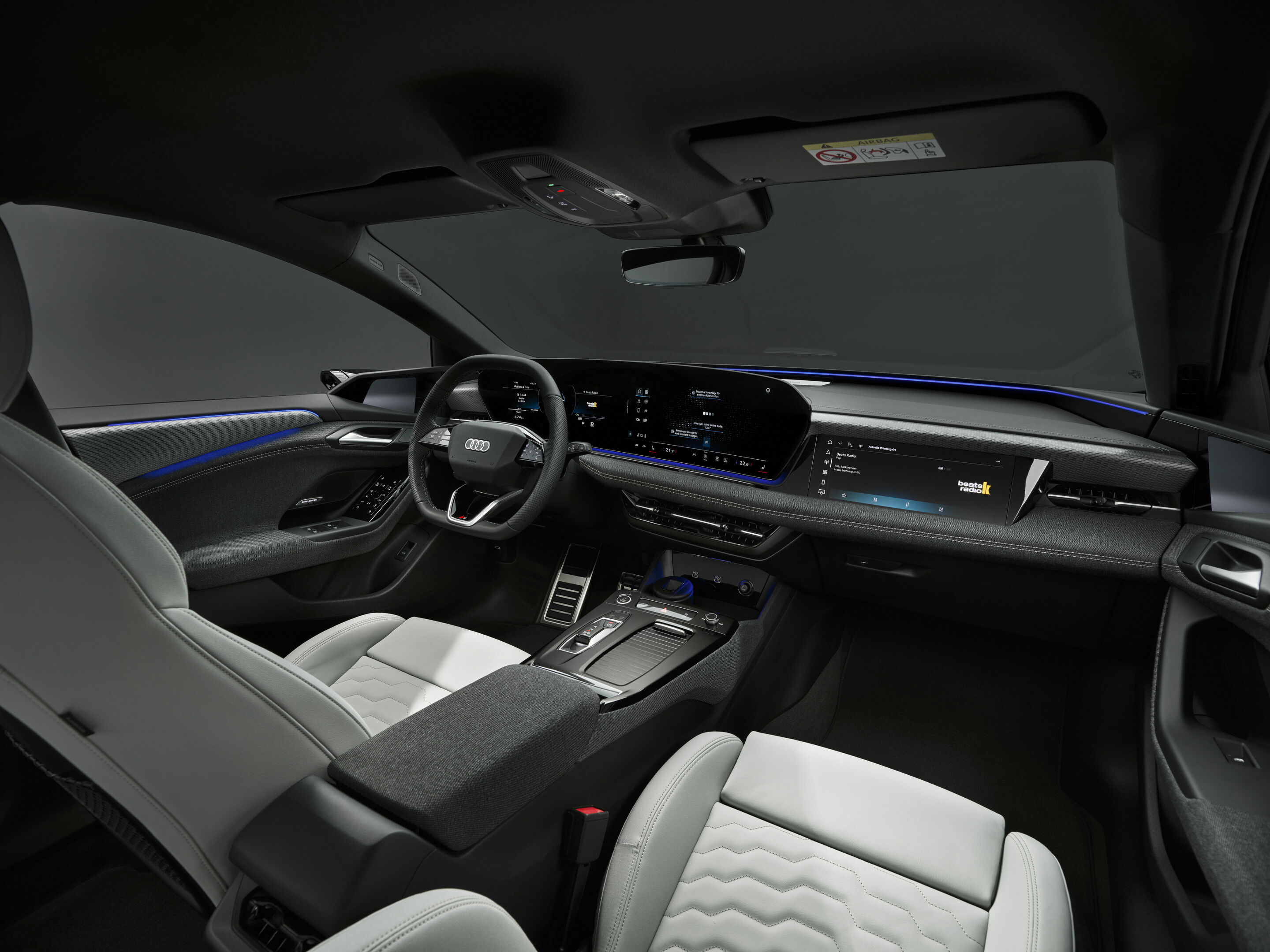
Interior and controls: Perhaps most notably for longtime Audi buyers, the controversial capacitive steering wheel scroll wheels — which proved frustrating for owners used to physical resistance — have been redesigned. Audi describes the new setup as delivering a “return to familiar tactile feedback,” a quiet concession that the all-touch interface of the original model was a step backward for driver engagement.
Software and driver experience: The MMI infotainment system has been updated with a 4K dashcam integration and an improved one-pedal driving calibration. A new “Power Nap” charging mode — designed for overnight stops on road trips — adjusts climate control and seat positioning during charging stops to maximize driver rest. The system now also supports more granular battery preconditioning schedules.
Trim and packaging: The previous year’s base trim has been elevated with features previously relegated to higher packages, including enhanced ambient lighting and an upgraded audio system option.
The Elephant in the Room: 2025 Owner Issues
The 2027 refresh arrives against a backdrop of owner frustration that Audi can ill afford to ignore. Owners of 2025-model Q6 e-tron and A6 e-tron vehicles have reported a range of software and hardware issues in forums including the e-tron Forum, with problems including:
- Module failures: Multiple owners have reported premature failure of vehicle control modules, requiring dealer service visits and, in some cases, overnight stays without loaner vehicles provided
- Software glitches: Infotainment freezes, wireless CarPlay disconnections, and intermittent gauge cluster failures have been cited across multiple model years
- Charging inconsistencies: Some owners report the 800V architecture’s DC fast charging performance has not consistently matched Audi’s stated 270kW peak rates
These issues have not made headlines the way Tesla quality debates do, but they’ve shaped word-of-mouth impressions in a segment where buyers are already skeptical of EVs from legacy brands. Edmunds’ road test of the pre-update 2025 A6 e-tron praised the driving dynamics and refinement but noted that “the tech package can feel more complex than it needs to be.”
Market Context: Audi Needs a Win in America
The stakes are real. Audi sold just 935 A6 e-tron units in the U.S. in October, a fraction of what BMW’s i5 and Mercedes’ EQE move in a given month. The brand’s broader EV portfolio — including the Q4 e-tron, which uses a different platform — has struggled to gain traction against both German rivals and increasingly competitive Korean makes.
Part of the problem is perception: in the luxury EV space, Audi has struggled to shake the impression that its vehicles are engineering exercises rather than compelling daily drivers. The A6 e-tron delivers on range (380 miles EPA for the performance variant) and charging speed — the 800V PPE platform still represents best-in-class architecture — but the software experience and the brand’s quality reputation have been inconsistent.
What’s Actually Good
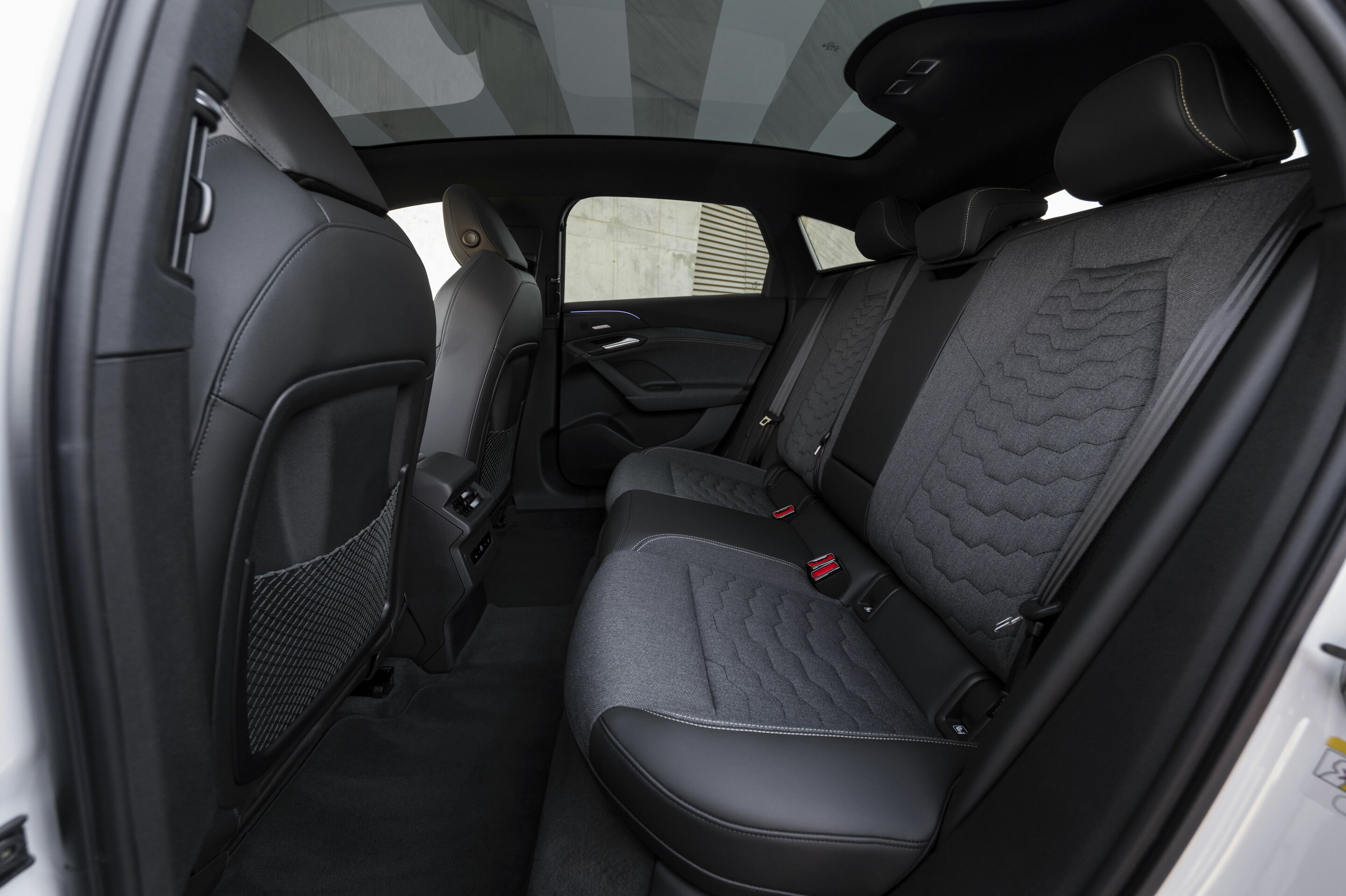
Set against the criticisms, there’s genuine substance here. The A6 e-tron’s 800V architecture remains technically competitive: peak DC charging at 270kW means 10-80% in roughly 21 minutes, better than a BMW i5 and competitive with a Mercedes EQE. The interior, even in base trim, is quieter and better assembled than many competitors.
Edmunds’ long-term testers — who spent extended time with the pre-update 2025 model — called it “a quiet superstar once you configure it correctly.” The criticism wasn’t about the hardware; it was about the friction in living with it daily.
The 2027 model’s improved one-pedal driving calibration and the return of tactile steering controls directly address two of the most-cited pain points from owner forums. Whether those changes are enough to signal to the market that Audi is listening — rather than arriving late with fixes that should have been there at launch — is the real test.
The Verdict
Audi’s 2027 A6 e-tron and Q6 e-tron represent a course correction more than a reinvention. The hardware was never the problem; the software maturity and the ownership experience were. If the 2027 models genuinely fix the infotainment and module reliability issues that plagued 2025, they’re genuinely competitive EVs in a segment where the BMW i5 and Mercedes EQE have had relatively smoother launches.
The cars arrive this spring. Whether American luxury buyers are willing to give Audi a second look — after the brand’s rocky U.S. EV execution — is the question Audi needs to answer with more than spec sheets.