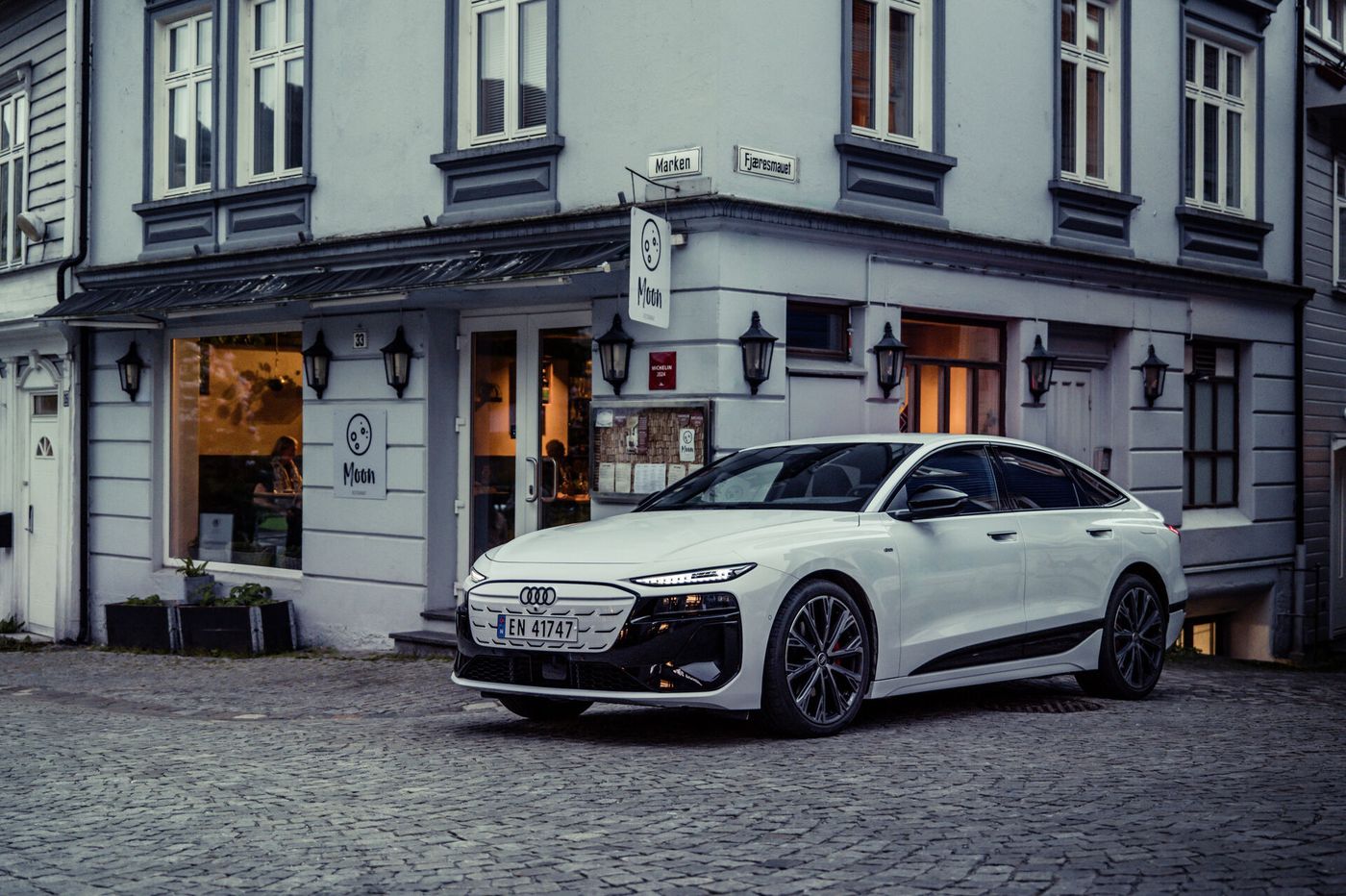
Audi Delivered 1.6 Million Vehicles in 2025 — But North America and China Were the Weak Links
Audi's global vehicle deliveries fell roughly 3% in 2025 to 1.6 million units, with a strong fourth quarter unable to offset double-digit declines in North America and a continued slump in China. Here's what the numbers mean.
Audi delivered 1.62 million vehicles to customers worldwide in 2025, down approximately 3% from the prior year, the brand confirmed in January 2026. A strong fourth quarter — which saw deliveries improve as the period progressed — helped limit the full-year decline, but the numbers still missed Audi’s internal target and reflect the challenging global environment the brand navigated throughout the year.
North America: The Biggest Disappointment
The most striking number in Audi’s 2025 delivery report is the 12.2% decline in North American sales. Audi of America sold 164,942 new vehicles for the full year — a drop of roughly 16% compared to 2024, according to the company’s own year-end sales release.
Several factors contributed. The transition to the PPE platform — which required retooling and production ramp-up at Audi’s facilities — temporarily constrained supply of key models. The Q6 e-tron, which launched in late 2024, didn’t reach full production cadence in North America until mid-2025. And the broader luxury vehicle market in the U.S. has been under pressure from high interest rates, moderating lease residuals, and consumers pulled forward their vehicle purchases during the pandemic-era supply crunch.
The Audi Q5 and Q3 remained the top-selling Audi models in the U.S., reflecting the continued preference for compact and subcompact luxury SUVs over sedans. But even those nameplates saw volume declines in a softer market.
China: The Long Slowdown Continues
Audi’s China sales fell approximately 5% in 2025, continuing a multi-year slide in what has historically been one of the brand’s most important markets. The story is well-documented: Chinese consumers have shifted sharply toward domestic premium brands — particularly BYD, Li Auto, and Huawei’s Aito — that offer competitive or superior technology at lower price points, especially in the rapidly growing EV segment.
Audi’s PPE-based EVs (the Q6 e-tron, A6 e-tron) have launched in China, but their pricing in a market that’s become intensely competitive has limited their ability to arrest the overall volume decline. The brand’s joint venture with SAIC has been working to accelerate local development, but the competitive dynamics aren’t expected to improve materially in the near term.
Europe Held Up Reasonably Well
In Europe, Audi’s home market performed more resiliently. While exact regional breakdowns weren’t fully detailed in the aggregate release, the brand indicated that the European market showed more stable performance, with the transition to the PPE platform going more smoothly in terms of supply. The Q6 e-tron and A6 e-tron have been better received in Europe — where EV adoption rates are higher and the competitive set is narrower — than in China or North America.
The Q4 e-tron continued to be a volume driver in Europe, where its more accessible price point resonated with both private buyers and fleet customers.
Fourth Quarter Offers Some Hope
Audi management highlighted the fourth quarter as evidence that the worst of the supply disruptions may be behind it. December deliveries showed a meaningful uptick as PPE platform production stabilized and model availability improved. If that trajectory holds into 2026, it would set up a cleaner comparison against the weak back half of 2025.
The Bottom Line
Audi’s 1.6 million vehicles in 2025 is a solid delivery figure in absolute terms, but the quality of that number matters. A 12% decline in North America and continued weakness in China are warning signs that Audi’s two most strategically important growth markets are not performing as planned. The EV transition is real — EV sales were up 36% globally — but the overall volume decline means Audi is losing overall market share in a segment that remains critical to its long-term profitability.
The 2026 product calendar, anchored by the 2027 model year A6 e-tron and Q6 e-tron updates, will be important to watch.
Related reading:
- Volkswagen Group Press Release: Audi Delivers 1.6 Million Vehicles in 2025
- Audi Club North America: Full-Year 2025 Wrap-Up
EV Charging Essentials: